Attic insulation tax credit rules for 2024 can mean real money back in your pocket, but only if you know the exact requirements, paperwork, and pitfalls. This audit-ready guide cuts through noise, walks you through the precise credit, and gives you a clear action checklist, so you avoid wasted efforts or missed savings.
Key Takeaways
- The 2024 federal credit covers 30% of qualified attic insulation material costs, up to $1,200, and is available for existing primary residences until 2032. Installation labor is not covered for insulation.
- Eligibility and documentation are strict: only primary homes qualify, you must use certified insulation, and keep specific receipts and manufacturer documentation for IRS audits.
- Many articles skip real-world regional costs, code-required R-values, state/local rebates, and step-by-step claim details. You need a full picture to maximize both savings and compliance.
- Quick summary: the 2024 federal attic insulation tax credit at a glance
- Who is eligible, residence exclusions, and product certification requirements
- How to claim the credit, forms, documentation, deadlines, and audit tips
- Which insulation materials qualify for the 2024 credit (and what’s explicitly included)
- State and local incentives, how to find and combine them (and the current research gap)
- What top-ranking articles miss: three decision-making factors you shouldn’t overlook
- Comparing insulation types, what the research DOES and DOES NOT tell us
- Real-world costs, insulation cost per sqft, regional ranges, and DIY vs. pro
- Common negative experiences & complaints, what to watch for (especially for blown-in and DIY)
- Building codes and DOE recommendations, minimum R-values by climate zone (what’s missing)
- Best attic insulation materials, performance, environmental impact, ROI, and tax-credit eligibility
- Practical checklist, steps to maximize credit, savings, and performance
- Resources & next steps, where to verify numbers and gather missing data
- Conclusion: recommended decision flow for homeowners
- FAQ: Attic Insulation Tax Credit, Costs & Pitfalls
Quick summary: the 2024 federal attic insulation tax credit at a glance
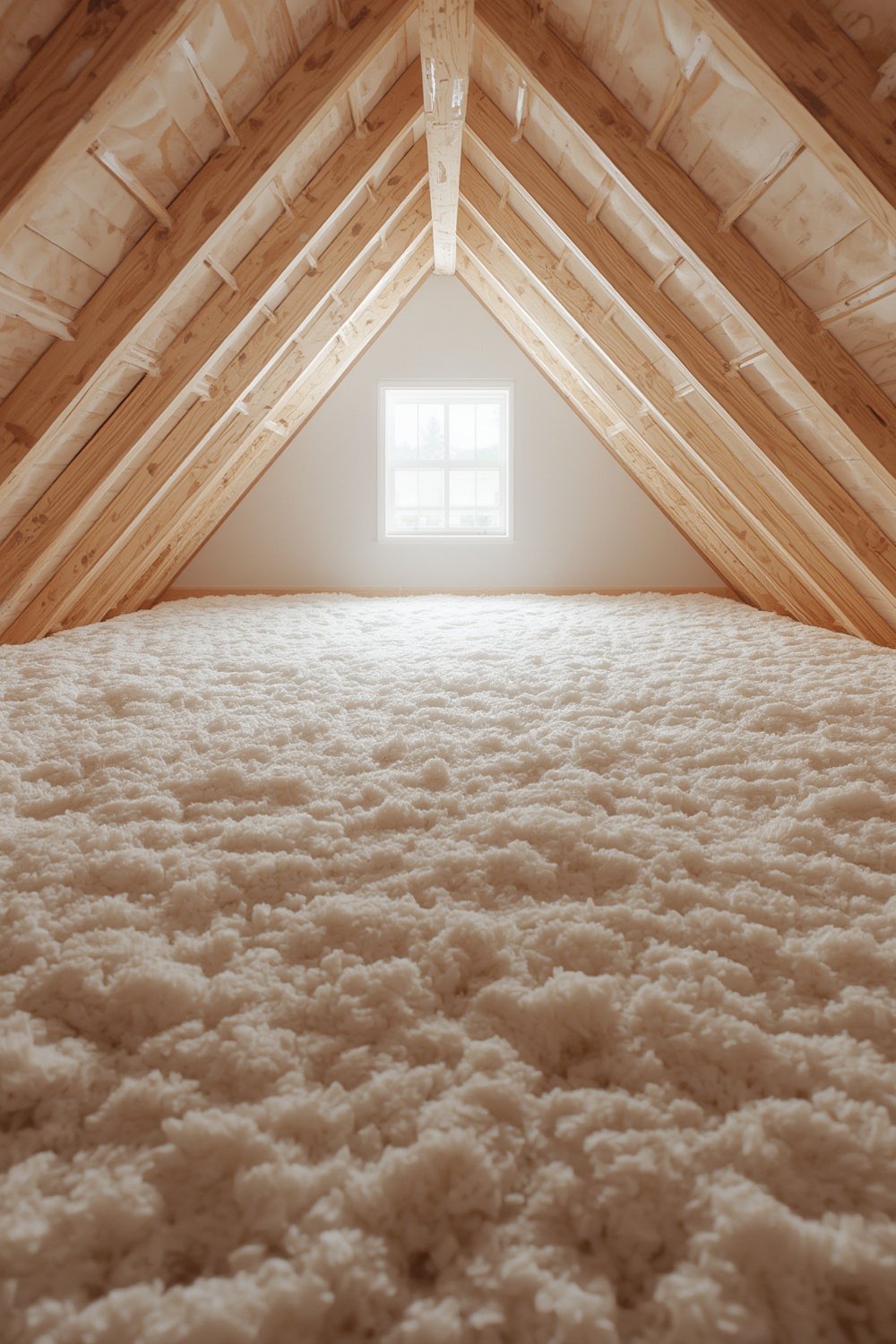
The 2024 Energy Efficient Home Improvement Credit lets you claim 30% of approved attic insulation material costs on your taxes, up to $1,200 per year (not including labor for insulation), with an overall $3,200 annual efficiency cap. Available only to those upgrading insulation in their existing U.S. primary residence, this incentive runs through 2032. No lifetime limit applies if you stagger projects across multiple years. (IRS source, ENERGY STAR)
Who is eligible, residence exclusions, and product certification requirements
This attic insulation tax credit applies only to your main U.S. home, not to new construction, rental properties, or vacation homes. It is valid for upgrades done in an existing, owner-occupied residence. Eligible insulation types must meet current energy efficiency standards and come with a manufacturer’s certification statement (you will need this if audited). Materials must have adequate R-value attic insulation for your region. (ENERGY STAR Certification Details)
How to claim the credit, forms, documentation, deadlines, and audit tips
To claim the attic insulation tax credit, you must:
- Install qualified insulation in your primary residence during the 2024 tax year.
- Collect and retain all purchase receipts, plus contractor invoices (if using a pro), with line-item costing for materials and labor.
- Obtain and keep the manufacturer’s certification statement for your product.
- File IRS Form 5695 with your tax return, entering material costs on the right line (Section 25C, Part II).
- There is no special credit deadline outside your ordinary tax filing (April 15, 2025, for 2024 projects). The credit runs annually through 2032.

If you’re considering window insulation kits or air-sealing as part of your project, note that the $1,200 annual insulation/air-seal limit applies to all combined, not separately. (ENERGY STAR)
Which insulation materials qualify for the 2024 credit (and what’s explicitly included)
The 2024 attic insulation tax credit covers most standard insulation types, so long as they have a qualifying manufacturer certification:
- Batts and rolls (fiberglass, mineral wool, natural fibers)
- Blown-in insulation attic materials (fiberglass, cellulose, mineral wool)
- Rigid foam boards (polyiso, XPS, EPS)
- Spray foam (open-cell, closed-cell)
- Air sealing products (weather stripping, caulking, spray foam for air leaks)
Installation labor is excluded for insulation materials. For many weatherization upgrades, air-sealing labor can be included, but the attic insulation project labor cost is not eligible for the 30% credit. (IRS Instructions)
State and local incentives, how to find and combine them (and the current research gap)
Many U.S. states and utility providers offer their own attic insulation rebates or tax credits. These can often be combined with the federal credit to reduce net cost, but each program has its own rules and application process. Because these are not centralized, you must check:
- The Database of State Incentives for Renewables & Efficiency (DSIRE)
- Your state energy office website
- Your local utility or power company website
Your total combined benefit may be significant, but remember to check if a state or utility rebate deducts from “basis” (your out-of-pocket total) before you apply the federal 30% credit. The research found that most national articles list only generic links, and very few provide current 2024 dollar amounts by state. This is a key gap you will need to fill with specific lookups for your zip code.
What top-ranking articles miss: Three decision-making factors you shouldn’t overlook
- State and utility incentives: The reality is your total payback can double or triple with these, but most guides mention them only in passing and skip exact eligibility, links, or deadlines. Research these before you buy insulation.
- R-value attic insulation minimums and eligibility nuances: The IRS and ENERGY STAR specify insulation must meet local energy code or minimum R-value thresholds, but online articles rarely tell you what those are for your climate zone. Failing to select material meeting code could disqualify your claim.
- Form 5695 details and documentation evidence: After the 2022 tax law updates, the IRS Form 5695 layout changed. Homeowners who don’t use the latest form instructions can miss out or flub a claim. Articles seldom break down the line-by-line steps, or what to keep if audited. (see this credit overview)
If you want a deeper dive into common home energy issues fixed by insulation, see our new guide on common home problems and smart gadgets.
Comparing insulation types: What the research DOES and DOES NOT tell us
All batts, blown-in, spray foam, and rigid boards qualify for the credit when certified, but that does not mean they all have the same R-value, cost, or long-term performance. The initial research lacked independent, head-to-head lab data. Below is a template comparison table you can use to request or collect quotes and studies:
| Type | Typical R value/inch | Lifespan | Pros | Downsides |
|---|---|---|---|---|
| Fiberglass Batts | R-3.0 to R-4.3 | 30-50 yrs | Low cost, widely available | Gaps can sag, must fit perfectly |
| Blown-in Cellulose | R-3.2 to R-3.8 | 20-30 yrs | Good coverage, fills gaps | Can settle, must avoid blocking vents |
| Spray Foam | R-3.5 (open) to R-6.8 (closed) | 35+ yrs | Air-seal + insulate, high R-value | High cost, possible VOCs |
| Rigid Board | R-4.5 to R-6.5 | 35+ yrs | Excellent for edges, high R/inch | Higher price, hard to DIY the whole attic |
No published independent tests found for energy savings, health impact, or comparative ROI. Homeowners are advised to seek NREL or DOE reports and local contractor references.
If you prefer an all-in-one home energy upgrade, consider pairing insulation with smart thermostat rebates for further tax credits.
Real-world costs, insulation cost per sqft, regional ranges, and DIY vs. pro
2024 cost data on insulation cost per sqft (materials + labor) varies widely by region and insulation type. Based on published contractor quotes:
- Basic fiberglass batts: $1.20 to $2.35/sqft installed
- Blown-in cellulose: $1.40 to $2.80/sqft installed
- Spray foam (closed cell): $3.75 to $7.00/sqft installed
- Rigid foam board: $2.70 to $5.50/sqft installed
DIY attic insulation can cut material-only costs to $0.70 to $1.30/sqft for batts, or $1.10 to $1.70/sqft for blown-in, but you must factor in rentals/tools, disposal, and risk of improper installation, which can void warranties or insurance. DIY errors (e.g., incomplete air sealing, uneven depth) are common. In colder climates or cities with high labor rates, costs may be 30-50% above these medians. Get at least three local quotes and clarify whether prices are “out the door” (including removal/disposal, permits, and air sealing).
For a deeper guide on simple DIY insulation projects, check our resource on weather stripping for cold-weather prep.
Common negative experiences & complaints, what to watch for (especially for blown-in and DIY)
Actual consumer complaints are under-reported in national blogs, but reviewing BBB profiles, Reddit threads, and contractor forums surfaces these key risk areas:
- Poor coverage or settling over time (especially with blown-in insulation attic jobs)
- Attic vents/HVAC blockages from over-blowing or incorrect installation
- Dust, fiberglass particles, or degraded air quality if materials aren’t properly contained
- Pest entry if baffles or vapor barriers are improperly handled
- DIY installations failing code or voiding warranty/insurance
- Improper air sealing, leading to minimal real-world energy savings
Always verify your contractor’s insurance and local license, and request a post-installation inspection or blower door test. For blown-in, request documentation of the final R-value depth at multiple attic points, and inspect after 12 months for settling.

Learn more about choosing practical, non-gimmicky home solutions in our best home gadgets guide.
Building codes and DOE recommendations, minimum R-values by climate zone (what’s missing)
Federal eligibility depends not just on material type, but often on meeting or exceeding regional code minimums for R-value attic insulation. For 2024, most codes are aligned with the 2021 International Energy Conservation Code, summarized here:
| Climate Zone | Recommended Attic Insulation R-value |
|---|---|
| 1 | R-30 |
| 2 | R-38 |
| 3 | R-38 – R-49 |
| 4 | R-49 – R-60 |
| 5-6 | R-49 – R-60 |
| 7-8 | R-49 – R-60 |
Check with your local code office or ENERGY STAR’s online map to confirm exact requirements. Insulation not meeting these minimums may be ineligible for the tax credit. See the DOE climate map for more details.
Best attic insulation materials, performance, environmental impact, ROI, and tax-credit eligibility
The “best attic insulation material” is situation-dependent, but current field data and code references support these top candidates:
- Blown-in cellulose: Good R-value, made from recycled paper, mid-grade cost, suitable for air-sealing gaps. Downside: risk of settling, absorbs moisture.
- Fiberglass batts/rolls: Low upfront cost, easy to source, but must be expertly cut/fitted to avoid gaps. Low embodied carbon if EcoBatt.
- Closed-cell spray foam: Highest insulation, air seal, adds structural strength, but expensive and possible VOC/chemical emissions risk. High global warming potential unless using next-gen blowing agents.
- Rigid foam board: Highest R-value per inch, great for tight spaces and roof decks. High material cost, can be hard to retrofit.
Payback period varies by local energy rates, installation cost, climate, and incentive stack. All these types are eligible for the 2024 attic insulation tax credit if certified by the manufacturer. For deeper sustainability or ROI, ask your contractor for lifecycle carbon footprint and independent energy saving projections. Few blogs or government PDFs summarize this side-by-side, so make it a point to when getting a quote.
Pairing attic insulation upgrades with other winter prep, like thermal curtains, can further reduce heating costs in cold climates.
Practical checklist: Steps to maximize credit, savings, and performance
1-page Attic Insulation Tax Credit Checklist (Printable)
- Get a home energy audit to assess attic insulation needs and spot air leaks.
- Select insulation that meets or exceeds the local energy code minimum R-value. Confirm the manufacturer’s certification statement is available for IRS purposes.
- For professional jobs, request separate line items for material and labor. For DIY, keep every receipt and material specification.
- Look up and apply for available state, local, and utility rebates at DSIRE and your state energy office. Note any application deadlines or stacking restrictions.
- Install insulation, inspect for depth/gap consistency, and avoid vent blockages.
- Gather all documentation: receipts, contractor invoices, product certification, project photos, and utility rebate paperwork.
- File IRS Form 5695 with your annual tax return. Attach backup if instructed and keep digital/paper copies for audit defense.
- Schedule a post-install inspection or blower door test if possible (required for some state rebates).
Need tips for related projects? Our pipe insulation guide can help with cold-weather prep.
Resources & next steps, where to verify numbers and gather missing data
Use these trustworthy resources to confirm rules, incentives, and gather extra data before you commit:
- Federal IRS Tax Credit Rules: IRS Guidance Page
- ENERGY STAR Tax Credit List: Approved Insulation Types
- State/utility lookup: DSIRE Database
- DOE R-value Zone Map: DOE Attic Insulation Recommendations
- Peer-reviewed studies and lifecycle data: NREL
- Quote data: Three regional contractor estimates plus material-only pricing from major home retailers
- User complaints and contractor reviews: BBB, Google/Angi, Reddit “HomeImprovement” threads
Required deliverables you should gather before finalizing your decision:
- State-by-state rebate/incentive table showing program name, benefit, and link
- Regional cost matrix: low/mid/high quotes for each insulation type and install mode
- Comparison table of insulation type, R-value, lifespan, and environmental impact (with citations)
Conclusion: recommended decision flow for homeowners
Maximize your attic insulation tax credit and long-term savings by using this decision sequence:
- Start by confirming you own and live in the home, and your chosen insulation is certified for the federal tip.
- Research and apply for any stackable state, local, or utility rebates.
- Collect three regional cost quotes for materials and installation, compare DIY vs. pro (don’t ignore labor or disposal costs).
- Choose the best attic insulation material for your region, targeting code minimum R-value and ROI, and consider health and environmental factors.
- Document all purchases and installations, file Form 5695 on your tax return, and keep every document for audit. The 2024 attic insulation tax credit can make a meaningful difference, but only if you track the rules and verify your savings at every step.
Ready to save? Gather your paperwork now, and start comparing certified materials and quotes. If you want more home upgrade tips that work, check our new posts or ask your questions below.
FAQ: Attic Insulation Tax Credit, Costs & Pitfalls
Can I claim the attic insulation tax credit for a second home or rental property?
No. The credit is strictly for insulation upgrades in your primary, owner-occupied home in the U.S. Second homes, rentals, and new construction do not qualify. IRS Source
What counts as “qualified insulation materials” for the 2024 tax credit?
Materials must meet local energy code minimums and come with a manufacturer’s certification statement. Nearly all common batts, blown-in, spray foam, and rigid board materials qualify if certified. Do not assume any material off the shelf meets these requirements. ENERGY STAR
What documentation should I keep for an IRS audit?
Save all receipts, contractor invoices, the manufacturer certification statement, and (ideally) a copy of your Form 5695. Store these in both paper and digital formats for at least 3-5 years after filing. For DIY, retain every material receipt.
Can I combine the federal attic insulation tax credit with state or utility rebates?
Yes, in most cases. Review DSIRE and your state’s energy office listings to find current programs. Double-check if the utility or state rebate amount reduces your “net basis” before taking the 30% federal credit. Rules can change by year.
Is DIY attic insulation installation worth it for tax credits?
DIY is allowed, and you can claim the materials cost, but be aware of code and safety risks. Mistakes can negate savings, disqualify you for some incentives, or hurt insurance coverage. Always weigh labor savings versus performance and warranty tradeoffs.