Smart water leak detector technology is gaining ground with homeowners and property managers who want to prevent costly water damage and cut insurance risks. If you’re looking for real-world savings, faster alerts, and a system that can actually stop a leak in time, you’ll want to know what works and what evidence is missing before you buy.
Key Takeaways
- The smart water leak detector market is growing fast, but no 2024 data is showing exactly how much they cut repair bills or insurance claims.
- Choosing a detector involves balancing ROI, reliability, false alarms, and integration with your smart home setup. Many devices lack independent test data for tricky areas.
- To avoid frustration and get the most risk reduction, buyers should demand clear test results, realistic app alert features, and written insurer policies about device discounts.
- Quick market snapshot and the evidence gap every buyer should know
- Who benefits most, buyer scenarios, and priorities
- How smart water leak detectors work, types, and what to expect
- Technical specs that separate the best devices in 2024
- Must-have app features and UX expectations (what makes alerts actually useful)
- Price ranges, subscriptions, and total cost of ownership: what the research could (and could not) find
- Real-world performance in challenging locations (under sinks and basements): what we know and what’s missing
- Common user complaints (false alarms, connectivity, battery life, app reliability), gaps in public reporting, and how to mitigate them
- Three overlooked sub-topics to cover that competitors often miss
- Practical buying checklist and 3 recommended setups by use case (basic, appliances/under-sink, whole-house with auto shutoff)
- How to validate manufacturer claims and what to ask your insurer
- Next steps for the article: data sources that the writer must collect before the final draft
Quick market snapshot and the evidence gap every buyer should know
The global smart water leak detector market reached USD 1,367 million in 2024, expected to hit USD 2,272 million by 2033 at 5.8% CAGR. Growth is fueled by high-profile floods, rising plumbing ages, and demand for connected home gadgets that offer fast, remote alerts. Still, for all the hype, no 2024 statistics show whether these detectors actually reduce water damage repair costs or insurance claims in real-world numbers.
Most manufacturers or news reports cite broad benefits, like early detection or peace of mind, but stop short of showing exactly how much money buyers save on repairs, policy deductibles, or annual premiums. This is the major gap for any homeowner or property manager: does installing a smart water leak detector tangibly cut your risks and costs, or just add another app to your phone?
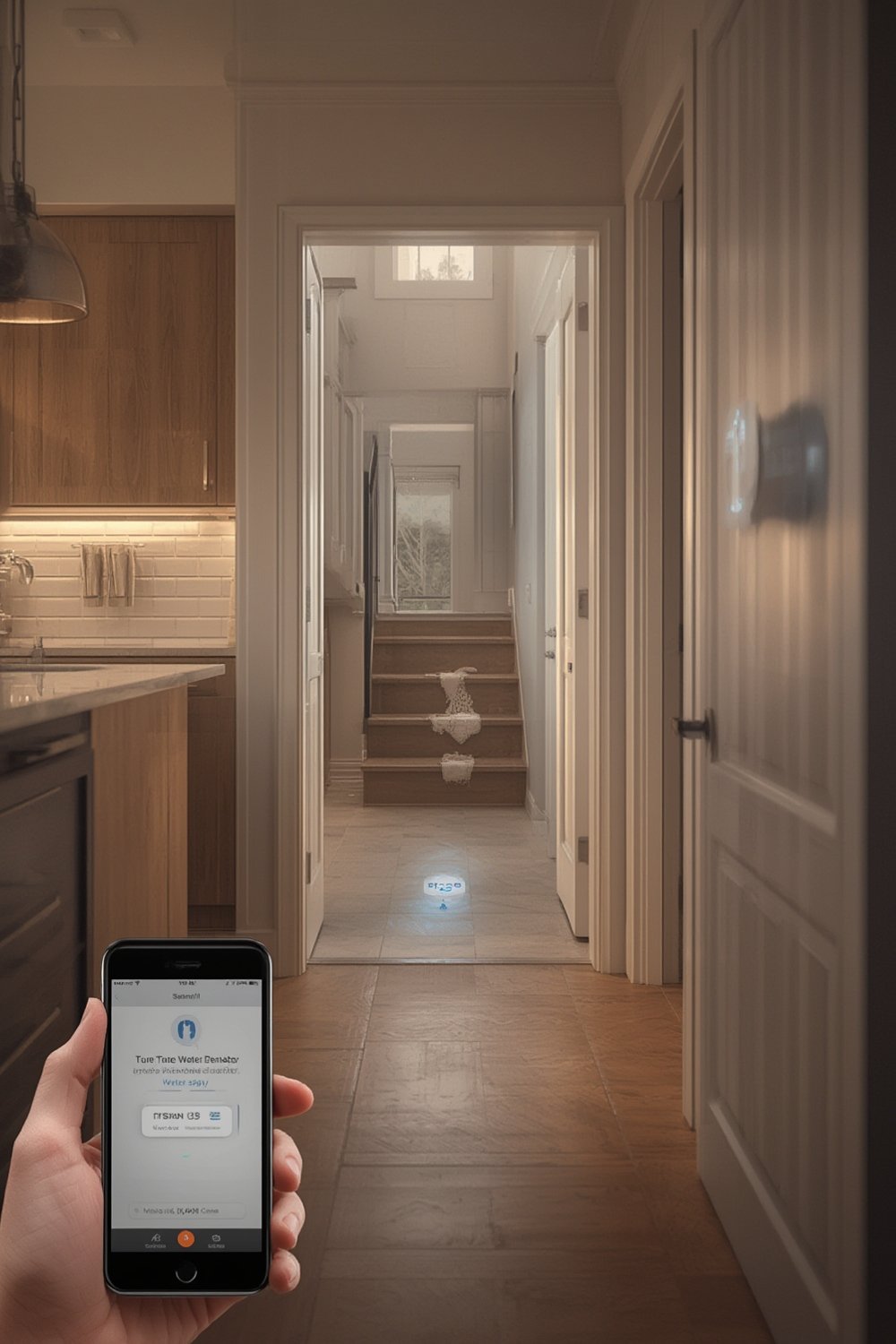
Who benefits most, buyer scenarios, and priorities
There is no one-size-fits-all solution when it comes to water leak sensors. Here’s how real-world priorities split among the main buyer groups:
- Single-family homeowners focus on the total cost of ownership, seeking simple installation (often DIY), app alerts, and the possibility of insurance discounts. For most, a basic water leak sensor kit covers high-risk spots like the basement, laundry, or under each sink.
- Landlords and small property managers tend toward multi-location monitoring, remote shutoff, water conservation, and minimizing tenant-caused leak risks. App-based control and automated notifications are crucial, but only when detectors can reduce claims or admin hassle.
- Basement/cottage owners care about outages and seasonal risks. A basement water alarm (or under-sink leak sensor) with remote notifications and robust local backup is useful for vacation homes often left vacant.
Market studies cite water conservation awareness and smartphone integration as the biggest motivators behind recent sales, especially for those managing multiple or part-time-occupied properties.
How smart water leak detectors work, types, and what to expect
Modern leak detection divides into three groups:
- Passive contact sensors: The classic water leak sensor. These are small probes that sit on a floor, tray, or surface and trigger when two contacts get wet. Ideal for under sinks, water heaters, dishwashers, or laundry machines. Simple and cheap, but can’t shut off the source.
- Flow-based monitors: Installed on the main water line, these watch for abnormal flow using ultrasonic, turbine, or pressure-based readings. They offer whole-home protection and are the type of wifi leak detector that can spot both drips and pipe bursts, but sometimes require a plumber and may give false alarms from normal high usage.
- Active systems with automatic shut-off: The most advanced. These combine sensors, data analytics, and a smart shutoff valve that can stop a leak at the supply. They often use AI or ML to detect patterns and work best for property managers or high-risk homes.
According to 2024 research, active systems use AI-powered predictive analytics alongside ultrasonic or mechanical sensors. If you need robust appliances or whole-home safety, this is the category to explore.
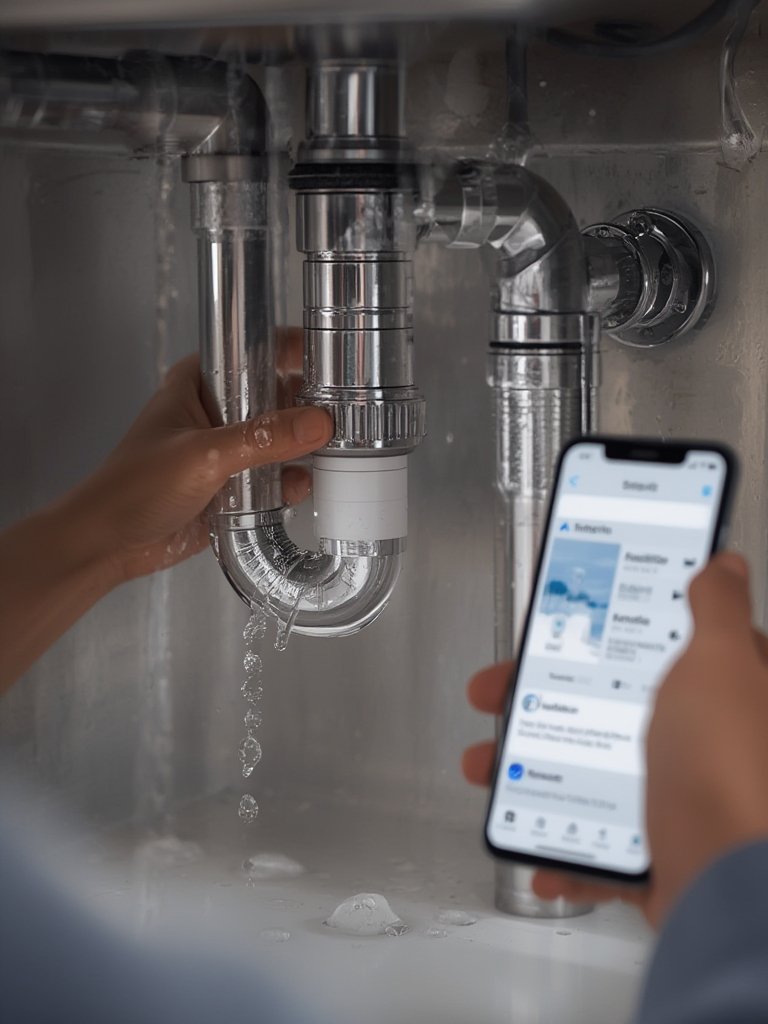
Technical specs that separate the best devices in 2024
Choosing the best water leak detector is about more than price. Use this checklist when comparing:
- Sensor sensitivity: Wet-contact triggers are basic, while advanced models use moisture mapping or track humidity patterns to reduce false alarms.
- Wireless range and network: Wi-Fi systems are easy to set up, but Zigbee or Z-Wave offer longer range, better mesh, and less apartment interference.
- Battery life: Look for multi-year operation and clear low-battery alerts. Also, see if the central hub or valve has a local battery backup for power outages.
- Automatic shutoff compatibility: Not every sensor triggers a valve. Ensure your leak detector with an app can actually shut off water when needed.
- Latency: How quickly does a leak become an alert? Cloud-only systems may lag, while local ones trigger instantly.
- Multi-sensor support: For larger or multi-unit sites, check hub limits, cloud reliance, and whether you can group sensors for custom alert logic.
- Compatibility: Alexa, Google Home, and Apple HomeKit support help bring alerts into your overall smart home ecosystem.
Newer smart detectors focus on IoT connectivity, mobile app integration, longer battery life, automated shutoff valves, and real-time system monitoring. Real upgrades since 2023 have been about convenience and mobile accessibility, not just sensitivity.
Must-have app features and UX expectations (what makes alerts actually useful)
App reliability is critical for time-poor homeowners and managers. Here is what to expect from a good leak detector with app control:
- Real-time notifications: Push alerts, SMS, and call options for escalations if the first alert is missed.
- Device health dashboard: See each sensor’s status, last trigger, and battery life at a glance.
- Multi-user sharing: Let tenants, family, or co-managers get alerts and acknowledge alarms.
- Geofencing modes: Pause notifications when home, intensify them when away.
- Event logs for insurance claims: Time-stamped leak history helps with proof for claims or analysis.
- Integration with shutoff valves: The app should allow direct manual shutoff and show the current valve state.
- Offline fallback: Some cloud systems stop working during internet outages. Seek local alerts (beeping, LED) as backup.
According to market reviews, must-have features are real-time smartphone notifications, full remote monitoring, AI or ML detection, and full automation for water shutoff.
Price ranges, subscriptions, and total cost of ownership: What the research could (and could not) find
Buyers want pricing transparency, especially when costs stretch beyond the initial water leak sensor purchase. However, current research does not provide 2024 average pricing, installation costs, or breakdowns for advanced features or subscriptions. Shoppers can expect a spectrum:
- Basic contact probe: One-off cost, usually no app fee. Simple water alerts only.
- Multi-sensor kit: Higher up-front, adds better zone coverage. May require a subscription for cloud event logs or expanded notifications.
- Flow monitor and auto shutoff: Highest initial price, sometimes monthly fees for AI analytics, notifications, or cellular backup.
Exact price ranges, recurring app costs, and install fees will require direct checks with sellers once models are shortlisted. DIY install is common, but the mainline shutoff may need a pro. For a deep dive on home energy, tech, and cost calculations, also see our guide to home energy monitors.
Real-world performance in challenging locations (under sinks and basements): what we know and what’s missing
When placing an under-sink leak sensor or a basement water alarm, physical conditions can skew results. Tight spaces and variable moisture mean some sensors give false alarms from condensation or ignore slow drips tucked behind pipes. Placing a sensor directly on the floor under the trap or behind the washer increases the odds of fast detection, but may also expose it to non-leak humidity.
So far, independent data on real reliability for under-sink and basement installs is missing. Manufacturers publish lab specs, but not field test results for accuracy, durability, or humidity tolerance. To make a truly informed choice, look for or request third-party test reports or at least transparent build details.
Common user complaints (false alarms, connectivity, battery life, app reliability), gaps in public reporting, and how to mitigate them
Honest buyers frequently mention issues like:
- False alarms: Sensors triggering from condensation, cleaning, or humidity rather than real leaks.
- Weak Wi-Fi or mesh: Some wifi leak detector units fail to stay connected, especially in basements or long distances from the router.
- Short battery life: Low-cost models may eat batteries quickly, especially in cold or damp areas.
- Buggy or slow apps: Notification lags, login failures, or app crashes are often cited but rarely systematically tracked.

Since there is no large-scale 2024 data set of user complaints, rely on verified review platforms (like Amazon, Home Depot, or dedicated testing blogs) and always request product manuals before buying to see real features versus marketing claims.
Three overlooked sub-topics to cover that competitors often miss
- Quantified ROI and insurance outcomes: Few articles give hard numbers about real cost savings or premium reductions. Ask for (or share) case studies or actual insurer statements on whether a smart water leak detector gets you money back, a premium cut, or faster claims processing.
- Independent lab/field test protocols: Most guides skip details on long-term reliability, corrosion under humidity, or exact conditions tested. Results on false positive rates, especially for under-sink or seasonal installs, are rarely included, but are vital for decision makers.
- Total cost of ownership clarity: Install costs, valve hardware compatibility, app/cloud subscriptions, cellular backup, and sensor replacement schedules are rarely broken down. Demand this detail before buying.
Lack of published 2024 data on these points means buyers should ask more questions, check external tech sites, and, when possible, share verified examples to help others.
Practical buying checklist and 3 recommended setups by use case (basic, appliances/under-sink, whole-house with auto shutoff)
| Checklist Item | What to Look For |
|---|---|
| Type (contact, flow, hybrid) | Basic for targeted points; flow for whole home; hybrid for both |
| Connectivity | Wi-Fi for easy setup; Zigbee/Z-Wave for low interference; mesh range |
| Battery and Backup | Multi-year battery, audibles, low-battery alerts, local backup for hubs/valves |
| Automatic Shutoff | Valve compatibility: test for local/manual override |
| App Features | Real-time alerts, logs, multi-user support, geofencing, and device health |
| Warranty and Return Policy | At least 1 year, ideally 2-3 years; simple returns for dead-on-arrival |
| Insurance Discounts | Request written confirmation about premium reductions or faster claims processing |
3 Recommended Setups (fill with model examples after price/review research):
- Basic Setup: Single water leak sensor under each sink, water heater, and laundry. No shutoff, app alerts only.
- Appliance/Under-sink Setup: multi-sensor kit, app integration, audible alarms, remote alerts. Use for dishwashers, fridges, and basements.
- Whole-house with auto shutoff: flow monitor, mainline shutoff valve, additional spot sensors. App with full notification, logs, and multi-user support.
For more on practical home upgrades and cost-conscious gadgets, see our reviews of the best home gadgets for daily use.
How to validate manufacturer claims and what to ask your insurer
Before buying, ask the manufacturer:
- What independent lab tests verify detection and false negative rates? Can I see a report?
- What is the mean time between failures (MTBF) for sensors or valves?
- Are firmware updates automatic, and how often are they provided?
- Does the device send local (non-cloud) alerts if the internet is down?
Questions for your insurer:
- Does installing a smart water leak detector reduce my premium or policy deductible?
- Which models or test certifications are accepted?
- What documentation is needed to confirm claim eligibility in a leak situation?
To date, no 2024 statistics connect detector use with lower insurance claims or repair costs. Insist on written confirmation for any discounts or incentives before relying on future savings.
Next steps for the article, data sources that the writer must collect before the final draft
If you’re researching further or finalizing a recommendation, collect:
- The 2024 current MSRP and, if relevant, subscription costs for the 6-8 leading smart water leak detector models (contact, flow, and hybrid types).
- Three independent lab or field test results (or run a small in-use field test in your own home, see our home gadgets review process for tips).
- At least one insurer case study or official statement on insurance claim reductions or procedural realities after a leak event.
- Representative verified customer complaint examples sourced from major retailers or trusted review platforms, focusing on false positives, connectivity, short battery life, or app failures.
There are clear gaps: no pricing data, no performance in under-sink/basements, and no user complaint datasets are publicly available as of this writing. Filling these will help transform marketing claims into real decision-making info.
Conclusion
Smart water leak detector technology has made big promises and is selling fast, but the real cost savings and claim reductions are still lacking published proof. Before spending, demand specifics on app reliability, shutdown compatibility, tested battery life, and actual insurer outcomes. Ask for independent verification when possible, and stay vigilant for new lab results or field data. Ready to protect your home? Compare options, ask tough questions, and check for updates as new research emerges. Add a smart water leak detector, not just another app, to your safety toolkit.
Frequently Asked Questions
Do I need a plumber to install a smart water leak detector?
Not always. Basic water leak sensors are typically DIY peel-and-stick or just set down under appliances. Flow monitors and automatic shutoff valves usually require a plumber or advanced DIY skills for main water line integration.
Will my insurance premium actually go down if I install a leak detector?
There is no universal answer. Some insurers offer discounts or deductibles if you use specified detectors, but always get written proof before buying. Most carriers have not yet published 2024 guidelines or accepted lists.
Can smart water leak detectors stop all water damage?
No system is perfect. While some advanced models with shutoff can prevent a burst pipe from flooding a house, many leaks (especially slow drips) may occur in places without a sensor or be confused with condensation. Regular battery checks and best placement practices help, but full prevention isn’t guaranteed.
How do I avoid false alarms with under-sink leak sensors?
Install sensors away from dish racks or condensation zones. Use models with humidity compensation or adjustable sensitivity. Read reviews for your exact use case; many buyers share tricks for reducing false triggers.
What happens during a power or Wi-Fi outage?
Some detectors fall back to on-device beeping or LED alerts if the internet or power goes out. For best results, pick a device with battery backup and local alert capability, and test these features during setup.