Weather stripping door is the most effective, low-cost way to stop energy loss and drafts in your home. Often yielding a bigger payback for comfort and savings than expensive door replacements. In just a few hours, you can seal leaks, make your home more comfortable, and trim your utility bills without needing professional skills or special tools.
Key Takeaways
- Sealing door gaps with weatherstripping can significantly reduce drafts and up to 25% of heat/cool energy loss from windows and doors combined.
- Most homeowners can install adhesive weather stripping and door sweeps in an afternoon using common tools, for much less than replacing an entire door.
- Correct material selection and meticulous installation are critical for lasting results, quick fixes done poorly won’t stop air leaks or improve comfort.
- Why sealing doors matters: The energy and comfort payoff
- Step-by-step guide: weather stripping your door
- Advanced analysis & common pitfalls
- Conclusion
- FAQ
Why sealing doors matters: The energy and comfort payoff
Every door with worn or missing weatherstripping is a crack that leaks out comfort and money. Windows and doors are responsible for approximately 25% of the energy used for heating and cooling buildings, and faulty door seals are major culprits. Before spending thousands on a new entry door, consider that ENERGY STAR-certified doors can reduce energy bills by up to 13 percent compared to non-certified ones. However, replacing or upgrading your weather stripping is often the simplest, fastest, and highest payoff step you can take.
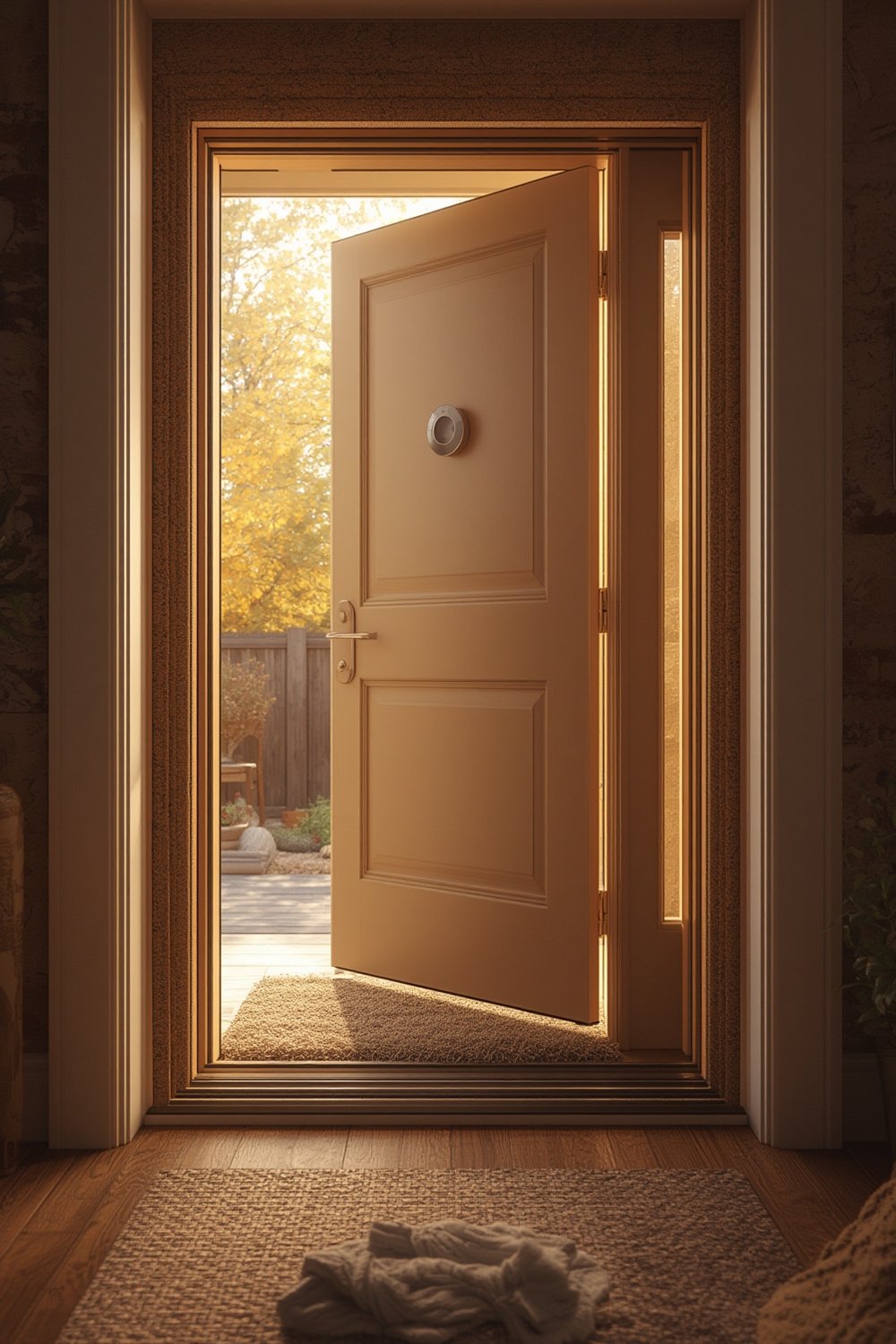
The right weatherstripping or door sweep can eliminate most drafts and raise comfort instantly. For many homeowners, sealing gaps delivers year-round savings, before worrying about replacing their entire entryway.
Curious about other energy-saving gadgets for your home? Our Best Home & Lifestyle Gadgets guide covers upgrades worth considering.
Step-by-step guide: weather stripping your door
Upgrading a weather stripping door is simple, but meticulous prep and methodical work are key for a permanent solution. Here’s how to get great results on your first try:
- Inspect & measure: Open and close the door. Look for daylight, feel for drafts, and measure gaps around the sides, top, and threshold using a ruler or feeler gauge.
- Choose materials: For most exterior swing doors, use a combination of foam, EPDM rubber, or silicone adhesive weather stripping on the jambs and a screw-in or adhesive door draft stopper for the bottom. Select thickness to match your measured gap (most weatherstrip comes in 1/4, 3/8, and 1/2 inch widths).
- Gather tools & supplies: Utility knife or scissors, measuring tape, clean rags, rubbing alcohol, screwdriver (if the sweep is screw-on), painter’s tape for positioning, and your chosen weatherstripping or door draft stopper.
- Remove old material: Peel back any old weatherstrip, scrape off residue, and ensure the surface is dry and dust-free. Doors and jambs must be clean for adhesive products to stick.
- Test-fit: Position the new weatherstrip without removing the backing. Close the door to ensure it compresses snugly (not overly squashed, not loose). Adjust as needed.
- Install adhesive weather stripping: Starting at the top hinge side, peel a small section of the backing at a time. Press firmly in place, don’t stretch the weatherstrip. Work around the jamb and header. Use scissors to cut corners for a tight seal.
- Install door sweep: Measure the door width, trim the sweep to fit (if needed), and mount it flush with the threshold so it seals but doesn’t snag. For adhesive sweeps, press and hold firmly; for screw-on, predrill holes and use supplied screws.
- Test the door: Open and close several times. Ensure weatherstripping does not interfere with door movement and that no daylight shows at the perimeter.
- Check after 24 hours: For adhesives, let them cure and check for adhesion or gaps. Re-press or secure as needed.
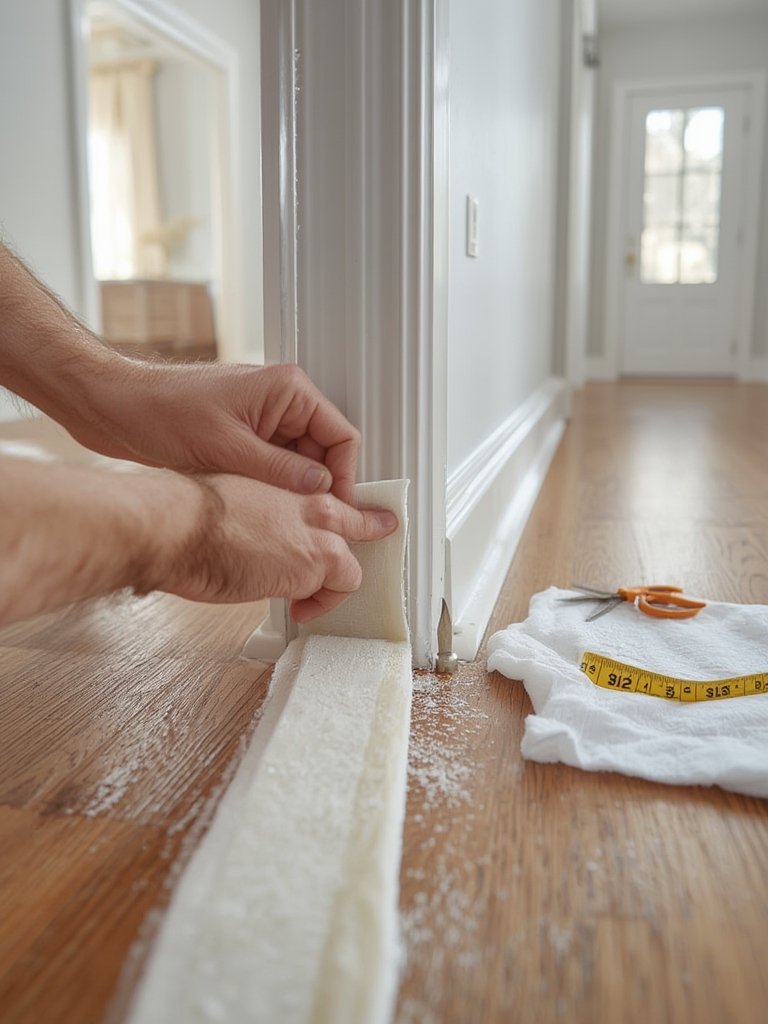
For a deeper dive into troubleshooting door sweeps and stoppers, check out our Smart Gadgets That Fix Common Home Problems guide.
Advanced analysis & common pitfalls
Well-installed weatherstripping solves 80-90% of typical door draft problems. Most failures result from avoidable mistakes. Below are the most common real-world pitfalls and how to sidestep them.
| Pitfall | Typical Cause | How to Avoid |
|---|---|---|
| Adhesive Won’t Stick | Surface not fully clean/dry; cold install conditions | Thorough cleaning and warming the room before installation |
| Seal Too Thick/Thin | Wrong size selected or not test-fit first | Measure the gap with the door closed; only compress about 50% |
| Corners Leak or Peel | Failure to cut and form joints tightly | Trim to fit, press firmly, overlap/angle edges at corners |
| Sweep Rubs or Snags | Sweep installed too low or out of alignment | Test with the door, adjust flush to the threshold, but not dragging |
| Immediate Reappearance of Drafts | The seal did not match the gap/profile, or the door/frame is warped | Choose the correct profile; assess for frame issues if drafts persist |
Climate also matters. In humid or coastal regions, choose silicone or EPDM rubber weatherstrip for superior resiliency. For very cold or dry climates, high-quality foam may suffice, but inspect more frequently for compression failures. Interior doors may only need foam tape, while exterior entries should get premium material and thorough sealing at every seam and threshold.
Unsure about window drafts? Explore our Window Insulation Kit guide for additional envelope sealing solutions.
Conclusion
Weather stripping door gaps is a simple upgrade nearly anyone can do with basic tools and a few dollars in supplies. Done right, it stops drafts, slashes energy costs, and quickly pays for itself in comfort. Pick the right door weatherstrip, measure twice, and work methodically for best results. For more comfort solutions, see our Smart Home Gadgets That Solve Problems list. Try weather stripping door solutions today and see just how much warmer, quieter, and more efficient your home becomes. Ready to seal that draft? Start now, and recheck your doors after 30 days for optimal results.
FAQ
How do I know if my weather stripping needs replacing?
If you see daylight, feel drafts, or notice an increase in outside noise or utility bills around your door, your weather stripping likely needs replacement. You can also run a paper slip test; if paper slides easily between the closed door and frame, sealing is inadequate.
What’s the difference between foam, rubber, and silicone door weatherstrips?
Foam is inexpensive and easy to install, but it can compress over time. Rubber (EPDM) and silicone are more durable and resilient, making them best for exterior doors and harsher climates. Choose according to the size of your gap and your regional weather.
Can I install a door sweep without special tools?
Yes. Most door sweeps are designed for DIY installation. You’ll need a measuring tape, scissors or a hacksaw for trimming, and a screwdriver (for screw-on types). Adhesive sweeps are even easier to apply.
Is it better to replace the weather stripping or buy a new door?
For most common drafts, replacing worn weather stripping is much faster and cheaper than a full door replacement, with similar energy-saving results. Replace the door only if it’s warped, badly damaged, or you want to upgrade to an ENERGY STAR certified model.
How often should weather stripping be checked or replaced?
Inspect your door weatherstrip at least annually and after each season change. Replace it if it is cracked, compressed, loose, or no longer providing a tight seal. No material lasts forever; regular checks avoid energy waste.