Heat tape for pipes is essential for preventing frozen pipes in freeze-prone regions, but choosing the safest option and installing it correctly is critical to avoid hidden hazards, code violations, and costly failures. This guide explains what works, clarifies data gaps, and provides you with actionable steps for safe buying, installation, and maintenance.
Key Takeaways
- Self-regulating heat cable is generally safer and fits both metal and plastic pipes. However, the biggest risks come from poor installation, not the product itself.
- No 2023-2024 consumer safety or failure-rate data for heat tape is available, so real-world reliability should be assumed cautiously. Always prioritize UL-listed products and follow manufacturer instructions strictly.
- Major evidence gaps remain: lack of verified failure data, missing current cost breakdowns, and variations in local code requirements. Mitigate these by thorough local research and careful, documented installation.
- Executive summary: What this guide delivers
- How heat tape/pipe heating cable works (quick primer)
- Failure rates and reported safety incidents: what the records actually show
- The most common homeowner installation mistakes (and how each causes freeze/failure)
- 2024 innovations in self-regulating heat cable, what’s new (and what’s not)
- Energy efficiency and lifespan: self-regulating vs. traditional electric heat tape
- Costs in 2024: Buying and professional installation (what we know and what we don’t)
- Verified-buyer sentiment: common pros and cons in reviews (what users actually complain about)
- Three critical safety/installation aspects that top articles overlook
- Code and regulation snapshot: what to check locally (major U.S. markets as of 2024)
- Buyer’s spec checklist & decision matrix (product selection & red flags)
- Professional installation: when to hire, what to require from the contractor
- Installation best-practices & safety checklist (step-by-step for installers)
- Maintenance, inspection, and troubleshooting guide
- Risk-mitigation plan for high-consequence sites (commercial buildings)
- Appendix: sources, unanswered questions, and where to get authoritative data
Executive summary: What this guide delivers
This guide breaks down heat tape for pipes through a safety-first, evidence-aware lens. You’ll get clear recommendations for product selection, installation checklists, and realistic advice on when to hire a pro versus DIY. We spotlight the safest product category (self-regulating cable), unpack common installation hazards, and directly address the three biggest evidence gaps: lack of failure/fire incident data, no verifiable cost benchmarks for 2024, and missing code details for major U.S. regions. Heat tape safety depends more on correct handling and code awareness than brand claims. For reference: No specific 2023-2024 consumer safety reports on failure rates or fire incidents for heat tape are identified in available sources.
How heat tape/pipe heating cable works (quick primer)
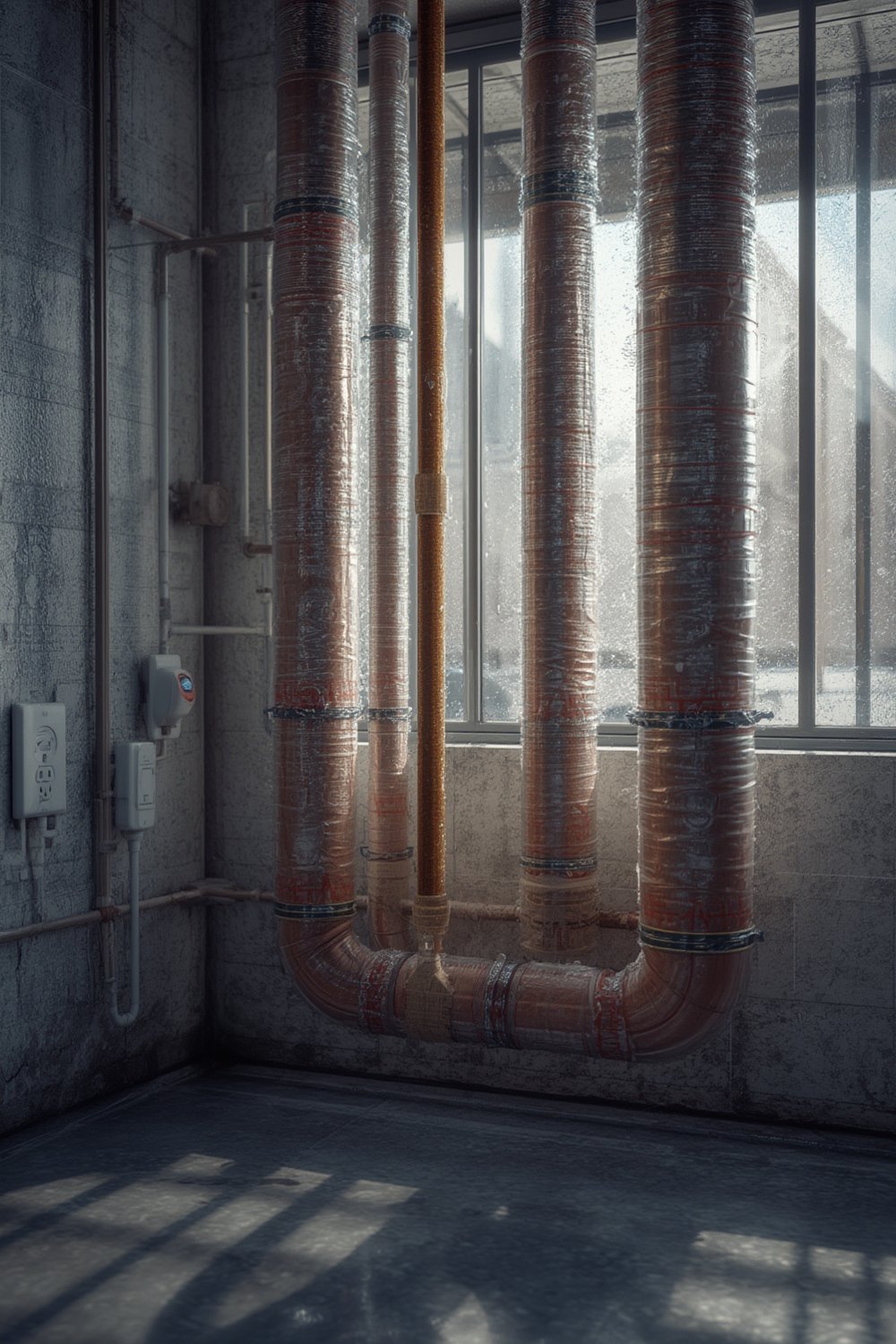
Pipe heating cables are essentially electrical ribbons that produce gentle warmth to keep water from freezing in pipes. There are two main types:
- Constant-wattage heat tape: Delivers steady heat along its length. Best for metal pipes. Riskier for plastic pipes due to possible overheating if not managed.
- Self-regulating heat cable: Has a semi-conductive core that automatically reduces output as the pipe gets warmer. More energy-efficient and less risk of overheating. Suits both metal and plastic pipes and is safest for most facilities managers and homeowners.
Both types require:
- Proper grounding and use of GFCI-protected circuits.
- Careful thermostat selection and placement. Most failures happen when thermostats don’t activate as expected, rather than tape “burning out.” (source).
Related: See how pipe insulation foam works together with heat tape for reliable freeze protection.
Failure rates and reported safety incidents: What the records actually show
Despite widespread use, no 2023–2024 consumer safety reports specify failure rates or fire incidents for heat tape. Some older reports cite risks tied directly to improper installation, such as overlapping cables or the use of metal clamps or zip ties that break insulation (source). Forums reinforce that self-regulating tape failures usually trace to thermostats failing to energize the circuit, not to overheating itself. What does this mean for you? Assume that installation diligence is your most effective safety control, not brand or marketing claims.
The most common homeowner installation mistakes (and how each causes freeze/failure)
You can buy the best heat tape for pipes and still lose the fight against freezing if it’s installed poorly. Here are the top mistakes:
- Overlapping tape (layers on top of each other): Causes uneven heating, hot spots, and fire risk, especially with constant-wattage types.
- Using metal clamps or zip ties directly on cable: Crushes insulation, can break wires, and creates electrical faults.
- Failing to insulate over the tape: Heat escapes, so the tape runs longer, uses more electricity, or can’t keep up in very cold snaps.
- Not spiraling tape around the pipe: Straight runs heat only one side; spiraling distributes warmth evenly and prevents localized freezing.
- Plugging into ungrounded or unprotected outlets: No GFCI means much higher shock/fire risk, especially around water.
Miss one of these, and your time and money invested provides less protection (or worse, becomes a hazard). Read more about comprehensive home problem solutions for typical winterization errors.
2024 innovations in self-regulating heat cable: What’s new (and what’s not)
No truly breakthroughs in self-regulating heat cable tech have been reported for 2024. The core advantage remains its ability to sense pipe temperature and dial down output as things warm up, preserving energy and extending service life. Brands like WinterGard and Frostex are still positioned at the premium end for facilities managers and discerning homeowners.
In short, new packaging or models may appear, but the best-performing “self-regulating heat cable” systems use mature technology. Prioritize clearly listed certifications and detailed installation guides over any “next gen” marketing pitch.
Energy efficiency and lifespan: self-regulating vs. traditional electric heat tape
Self-regulating heat tape automatically throttles back its power output as pipes warm up, delivering clear energy savings over constant-wattage types, which run at full output regardless of need. Commonly cited advantages:
- Lower electricity costs throughout the season.
- Reduced hot spots and longer lifespan due to less sustained high-temperature operation.
- Less risk for overheating, especially on plastic pipe.
But here’s the reality: No published 2024 studies quantify the percentage savings or specific mean time between failures for each type, so use conservative estimates. Even the most efficient cable can be defeated by poor insulation or thermostat placement.
Costs in 2024: Buying and professional installation (what we know and what we don’t)
No current, publicly-sourced 2024 installation costs or purchase price ranges for heat tape are available in industry reports. Typical cost drivers include:
- Product type, total cable length, and wattage needed
- Installation accessories: insulation, electric tape, thermostats, conduit
- An electrician or licensed contractor charges for high-voltage work, outlet creation, or panel upgrades
To estimate accurately, request local quotes with itemized labor and material, and consider average rates for commercial electrician service in your region. ROI is best calculated with realistic estimates of energy costs and comparison to worst-case pipe freeze repair costs (which can run into thousands). For other cost-saving gadget strategies, visit our Best Home & Lifestyle Gadgets guide.
Verified-buyer sentiment: Common pros and cons in reviews (what users actually complain about)
No verified buyer reviews or trustworthy, aggregated sentiment analysis for major heat tape brands are published as of this writing. However, online forums and troubleshooting threads are consistent on these points:
- Self-regulating heat tape is considered reliable if properly insulated and installed.
- Constant-wattage cable is “good enough” for short, simple runs on metal pipe, but less forgiving of mistakes.
- The biggest user complaints concern reliance on grid power, outages make the tape useless, and failures go unnoticed without monitoring.
- Frustration is common when instructions are vague, UL listing is absent, or product labeling seems ambiguous.
It’s wise to pair any heat tape with proper window insulation and backup insulation on the pipes for full freeze protection.
Three critical safety/installation aspects that top articles overlook
Even the highest-ranking online guides for heat tape safety omit these crucial realities:
- No quantitative fire/failure data: No one is publishing real, 2023-2024 field incident rates for pipe heating cable. This means your safety plans must assume “unknown unknowns” and err on the side of caution.
- Lack of detailed labor/material cost breakdowns: No current market research covers what a pro install should actually cost, which makes vetting quotes and securing budgetary approvals difficult for commercial work.
- Insufficient coverage of local code/regulatory differences: Many guides simply say “check your codes,” but don’t explain the range of labeling, wiring, or permit requirements that vary dramatically across jurisdictions.
Why does this matter? It can affect insurance, compliance, system uptime, and legal risk. Always ask to see supporting data from manufacturers, get cost estimates in writing, and discuss electrical code with your local inspector before starting a project.
Code and regulation snapshot: What to check locally (major U.S. markets as of 2024)
No major national or regional differences in code requirements for heat tape safety have been published for 2024. Despite that, local plumbing and electrical codes can vary in:
- Whether heat tape installation must be permitted
- Circuit protection (GFCI, AFCI, breaker size)
- Product listing/labeling standards (UL, ETL, CSA)
- Required documentation or signage on panelboards
Always confirm requirements with your local building authority and ask for manufacturer’s technical bulletins. For additional cold-weather upgrades, visit our weather stripping door resource.
Buyer’s spec checklist & decision matrix (product selection & red flags)
Before committing to a heat tape solution, run through this checklist:
- Type: Self-regulating cable for most cases. Constant-wattage only for short, simple runs on metal pipe.
- Wattage and voltage: Suited to pipe diameter, material, and length.
- Pipe compatibility: Check labeling. Self-regulating is appropriate for both plastic and metal; constant-wattage may overheat some plastics.
- Thermostat: Integrated or external, with clear documentation.
- UL/ETL listing: Never buy any cable without third-party certification.
- Warranty: At least three years is ideal for commercial users.
- Installation guidance: Full instructions, including insulation detail. Red flag = ambiguous or missing documentation.
Upgrade insulation where possible, and avoid products lacking clear marking for US/Canadian code compliance. Also, check out detailed pipe wrap insulation options for further protection.
Professional installation: when to hire, what to require from the contractor
Hire a professional when:
- You need several circuits, have complex routing, or serve high-risk/critical systems (healthcare, food, manufacturing, etc).
- Upgrading electrical panels or integrating with facility management/monitoring systems.
- Code or insurance requires licensed contractor documentation or electrical permits.
When hiring, always ask for:
- Proof of an electrician’s license, insurance, and prior similar projects
- Detailed written quote with all materials listed
- Testing results (continuity, ground-fault operation, thermostat function)
- Installation map/diagram for your records
- Labeling of all circuits and GFCI points
Poor contractor work, skipped startup testing, or unlabeled systems are prime causes of preventable pipe freeze or even heat tape safety exposure. For a more general guide to choosing and working with home contractors, visit this home gadgets resource.
Installation best-practices & safety checklist (step-by-step for installers)
- Never overlap heat tape unless the product is specifically rated for it.
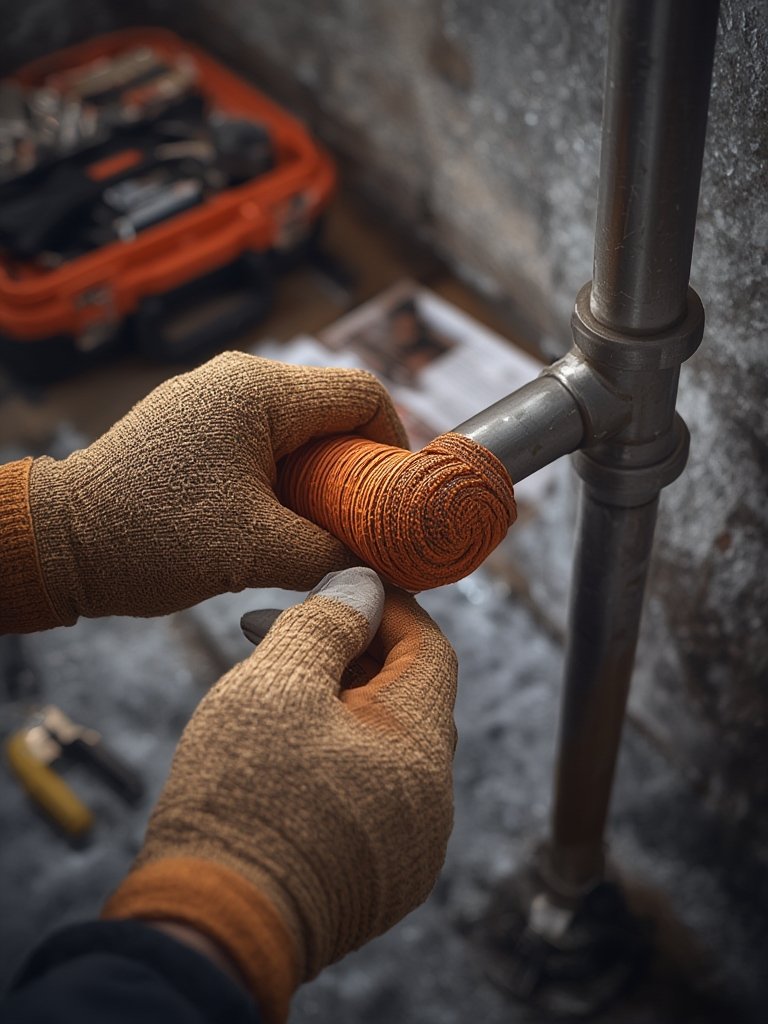
- Spiral cable evenly for full-length coverage, following the spacing in the manufacturer’s chart.
- Only use the fasteners provided or specified; never metal clamps or zip ties.
- Cover both pipe and tape with insulation sleeves rated for your climate (see guide).
- Install the thermostat sensor directly against the pipe (not just in air or insulation).
- Test the GFCI and verify power to the unit before finalizing the install.
- Label all circuits and make a simple sketch/photo record for future maintenance.
Maintenance, inspection, and troubleshooting guide
Best practice is to inspect heat tape setups at least twice per season: once in fall before cold weather, and mid-winter during the coldest periods. Here’s how:
- Visually check for wear, nicks, animal damage, or loose wiring.
- Test continuity with a voltage meter and verify that the thermostat triggers the tape when the temperature drops.
- If using self-regulating tape, check surface temperature with an IR thermometer for cold spots or failed sections.
- Re-insulate any exposed spots.
- In the event of a power outage, add temporary foam pipe insulation and monitor for leaks. If the tape failed recently during a deep freeze, add heat safely with portable heaters until power is restored.
Forums recommend not relying solely on electric heat tape for frozen pipe prevention. Combine with insulation as the “belt and suspenders” approach, especially if power interruptions are possible.
Risk-mitigation plan for high-consequence sites (commercial buildings)
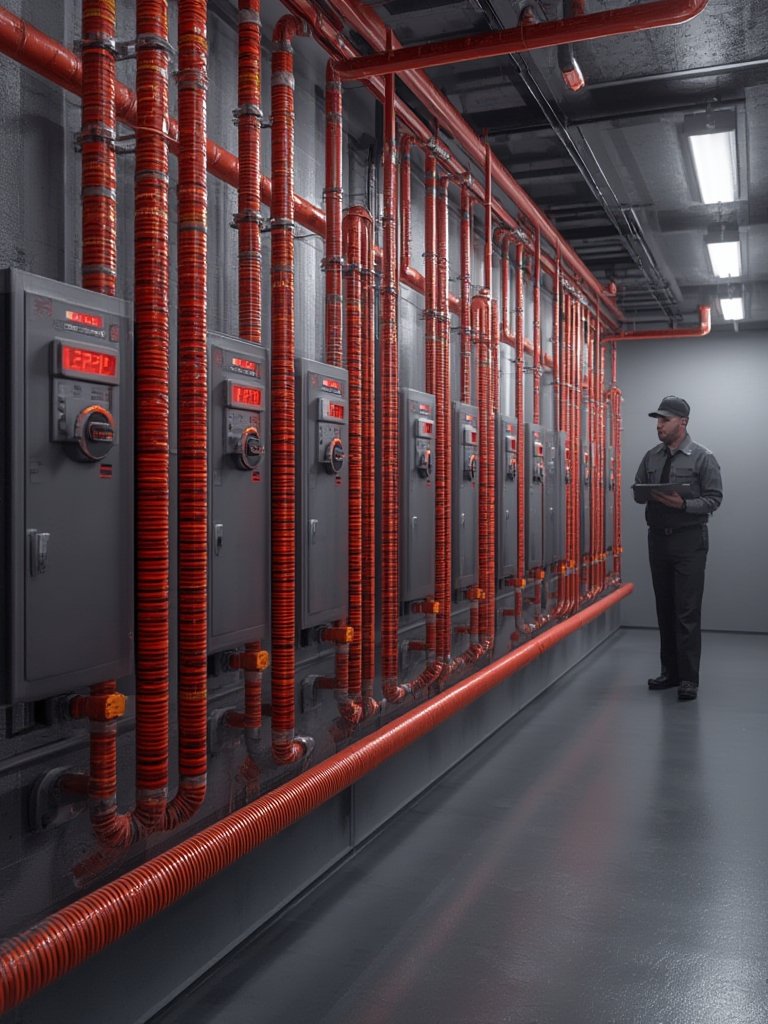
Mission-critical facilities should never depend on a single freeze-prevention method. Build resilience with:
- Pipes insulated to meet or exceed local code
- Redundant cables or circuits, especially for vital water or process lines
- Remote-monitored thermostats with GSM or WiFi alerting
- Circuit labeling, clear panel maps, and scheduled function tests
- Document maintenance procedures and require annual third-party inspection
- Always keep backup insulation and emergency response plans on file
Research shows most real-world failures stem from thermostats not activating, rather than from the cables themselves overheating (source), so ongoing monitoring is non-optional in critical sites. For smart home alternatives that can supplement this plan, see practical smart gadget solutions.
Appendix: Sources, unanswered questions, and where to get authoritative data
Primary sources:
Unanswered key questions:
- No specific 2023-2024 consumer safety reports on heat tape failure or fire rates are published.
- No current cost data for professional installation, including labor and materials.
- No published local code requirement comparisons for major US markets.
How to get authoritative data:
- Request documents from the Consumer Product Safety Commission or the local building code office.
- Contact the manufacturer’s technical reps for the latest technical bulletins.
- Directly consult professional installer/electrician networks in your region for cost and compliance guidance.
For more on seasonal energy savings, take a look at window insulation kits and other cold-weather upgrades.
Frequently Asked Questions
Can I install heat tape for pipes myself, or should I hire a professional?
Simple, accessible pipe runs with available outlets can often be done DIY if you follow manufacturer instructions exactly, use GFCI power, and understand basic wiring. For longer runs, commercial or critical systems, or any scenario requiring electrical panel work, a pro is safer and may be required by code.
How long does self-regulating heat tape last?
Typical manufacturer warranties offer 3-5 years for quality self-regulating tape, but actual lifespan depends on exposure, seasonal run time, installation quality, and electrical protection. Inspect annually for damage and thermostat function.
Is it safe to use extension cords with heat tape?
No. Extension cords increase fire and shock risk, especially outdoors or in damp conditions. Always plug heat tape directly into a grounded, GFCI-protected outlet as specified by the product instructions.
What are the signs that heat tape is not working properly?
Pipes still feel cold or freeze, the tape does not warm up after it should activate, or the GFCI resets trip repeatedly. Use a voltage meter and thermometer to test, and replace or service tape promptly if faults are found.
Can heat tape prevent frozen pipes during a long power outage?
No. Electric heat tape only works when power is available. Always pair it with proper pipe insulation for some freeze protection during outages and restore power as quickly as possible. Have backup plans for critical water lines.