Electric blanket energy cost is one of the hottest questions for anyone looking to cut down on heating bills without sacrificing winter comfort. Whether you’re a renter or homeowner, the key is knowing which heated sleep solution actually saves money, delivers practical comfort, and stays safe night after night.
Key Takeaways
- Heated mattress pads usually cost the least to run for overnight warmth. Their wattage is lower than that of electric blankets or space heaters, and their design traps heat more efficiently.
- Electric blankets and heated throws offer flexibility, but pay attention to their wattage and your habits, or you could double your cost vs. a mattress pad.
- Space heaters are by far the most expensive for sleep. Over a winter season, they can cost more than 10 times as much as a mattress pad for similar comfort, and pose the highest safety risk if misused.
- Quick take, which option costs the least to run and why
- Detailed cost comparison , per hour / per night / per month / per season
- Why heated mattress pads are often cheapest in practice (unique insight)
- Safety, recalls, incident reporting gaps, and what certifications matter
- Comfort & convenience tradeoffs (sleeping surface vs. surface blanket vs. room heat)
- What customer reviews commonly complain about, gaps in our sources, and where to pull real data
- Technical deep-dive, wattage ranges, heat-up speed expectations, and controls
- Side-by-side scenarios: single user vs. shared bed; short naps vs. all-night use
- Top three misconceptions high-ranking articles get wrong (actionable corrections)
- Buying checklist, features, safety, and math to run before you buy
- Quick FAQ & myth-busting (final micro takeaways)
Quick take, which option costs the least to run and why
If you’re hunting for the most cost-effective winter warmth, skip the space heater: it’s not even close. Here’s how the typical options rank for overnight heating:
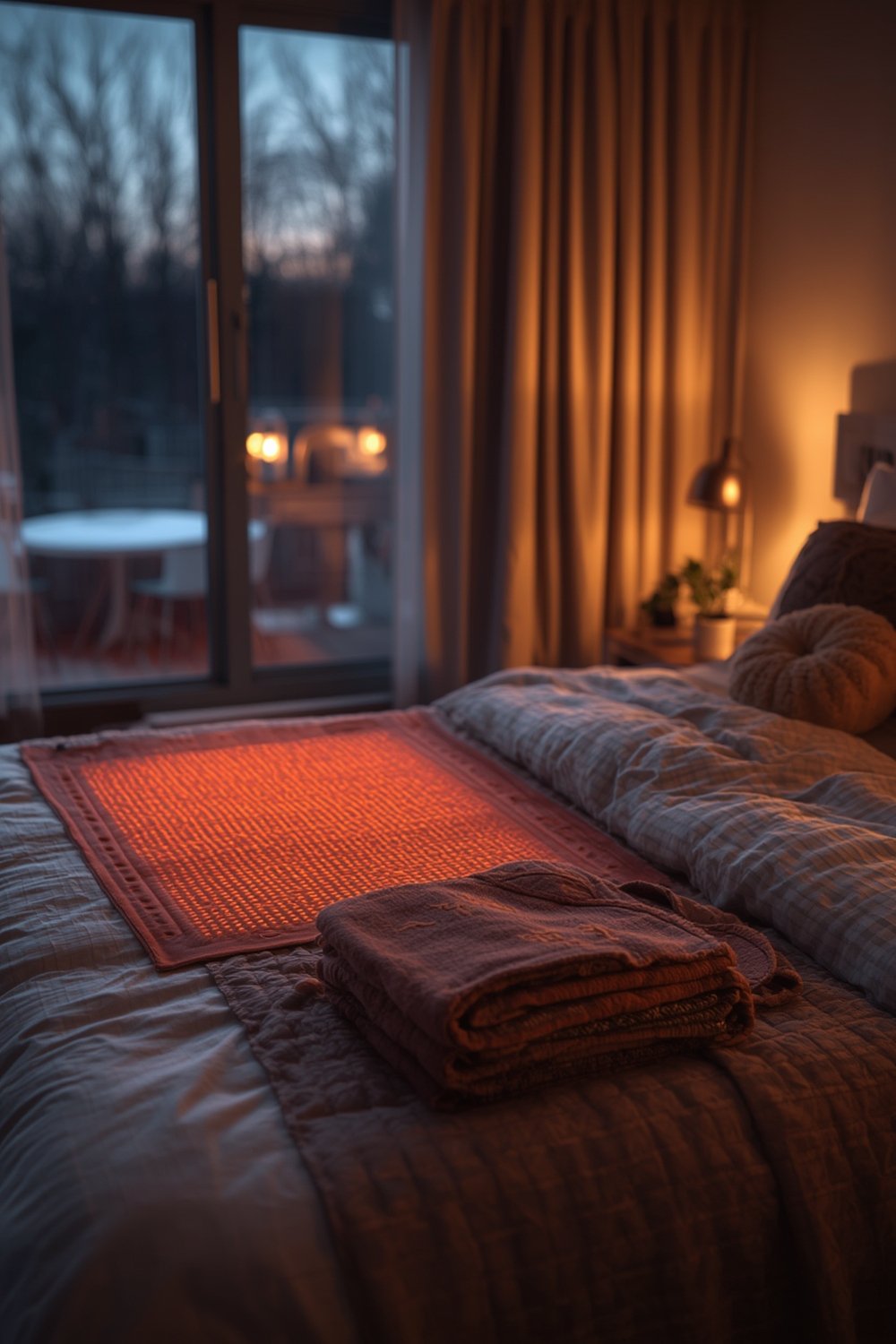
- Heated mattress pad: Cheapest by far. Uses 40-100 watts, or about $0.007-$0.017 per hour. That comes to roughly $0.056-$0.136 per 8-hour night, or only $1.68-$4.08 per month.
- heated throw blanket or low-watt electric blanket: Still very affordable, with throws at 50-100 watts ($0.009-$0.017/hour). You’ll pay about $0.07-$0.14/night, or $2.16-$4.08/month for overnight use.
- Standard electric blanket (over-blanket): Uses more power,60-200 watts ($0.01-$0.03/hour), or $0.08-$0.24/night, $2.40-$7.20/month. Sharing with a partner increases wattage.
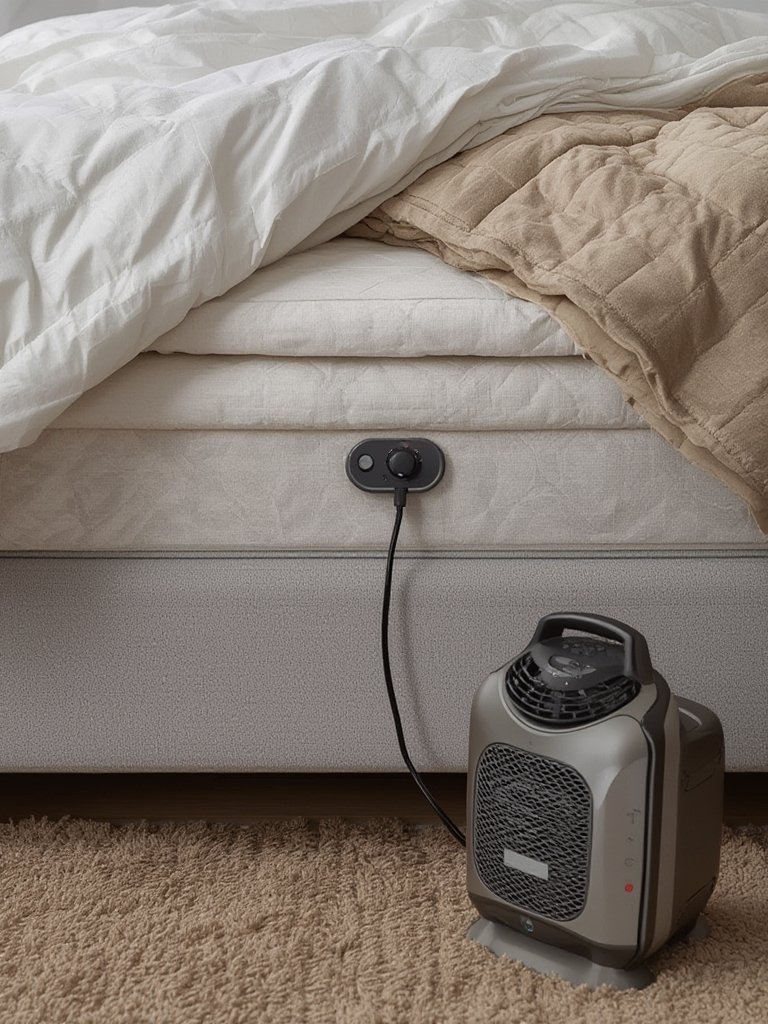
- Space heater: 750-1500 watts ($0.12-$0.24/hour). That’s $0.96-$1.92 per 8-hour night,$28.80-$57.60 for a one-month “season.” In practice, using a space heater for sleep can cost more than ten times any of the bedding-based options. (source, source)
The reason is simple: mattress pads warm where you’re actually sleeping and lose less heat to the room, so they don’t need as much power to feel cozy.
Detailed cost comparison , per hour / per night / per month / per season
If you want concrete numbers, you’ll need to know your local electricity rate (most U.S. homes range from $0.13-$0.17 per kWh), the wattage of your device, and your actual usage. Here’s a breakdown for typical heated sleep products:
| Product | Wattage Range | Cost per Hour ($0.13/kWh) | Cost per Hour ($0.17/kWh) | 8-Hour Night ($0.13-$0.17/kWh) | Monthly (30 Nights) ($0.13-$0.17/kWh) | Season (4 Months) ($0.13-$0.17/kWh) |
|---|---|---|---|---|---|---|
| Heated Mattress Pad (Twin) | 40-60 W | $0.005-$0.008 | $0.007-$0.010 | $0.04-$0.08 | $1.20-$2.40 | $4.80-$9.60 |
| Heated Mattress Pad (Queen/King) | 60-100 W | $0.008-$0.013 | $0.010-$0.017 | $0.06-$0.14 | $1.80-$4.08 | $7.20-$16.32 |
| Heated Throw Blanket | 50-100 W | $0.007-$0.013 | $0.009-$0.017 | $0.07-$0.14 | $2.10-$4.08 | $8.40-$16.32 |
| Electric Blanket (Over-Blanket, Twin/Queen/King) | 60-200 W | $0.008-$0.026 | $0.01-$0.034 | $0.08-$0.24 | $2.40-$7.20 | $9.60-$28.80 |
| Space Heater | 750-1500 W | $0.10-$0.20 | $0.13-$0.26 | $0.80-$2.08 | $24-$62.40 | $96-$249.60 |
All these numbers come from recent research on American rates (see source). With your own local rate, you can do the calculation:
- Formula: Device wattage (W)/1000 × hours used × your $/kWh
- Example: 80W pad, 8 hours, $0.15/kWh:
0.08 × 8 × $0.15 = $0.096/night
Want more easy home energy solutions? Check out our guide to smart space heaters and window insulation kits for further winter savings.
Why heated mattress pads are often cheapest in practice (unique insight)
The technical secret: heated mattress pads are directly under you, sandwiched between your body and your mattress. This traps warmth right where you need it, letting manufacturers use much lower wattage to achieve the same “snug” effect you’d get from a higher-powered over-blanket or any room heater. Most over-blankets waste heat into the air and cool faster if you toss and turn, so they need more watts to feel just as warm. Typical mattress pad wattage is just 40-100W, compared to 60-200W for electric blankets.
In practice, for 8 hours, you’re paying $0.056-$0.136/night for most mattress pads, versus $0.08-$0.24/night for a comparable over-blanket. That difference stacks up quickly over a 4-month season, meaning you save $5 to $15 or more simply by picking the right product (see full breakdown).
Safety, recalls, incident reporting gaps, and what certifications matter
Reliable safety data is surprisingly scarce. As of this writing, major research found no recent U.S. recalls, CPSC fire statistics, or clear certification details on most heated bedding or throws. That doesn’t mean the risk is zero. In practice, electric bedding and throws can present hazards mostly from overheating, frayed wiring, or improper use (like folding when plugged in, or use with infants/elderly who can’t sense overheating).
What should you look for? At a minimum:
- UL/ETL Certification: Safe electric bedding will be independently tested. Look for these marks on the package.
- Auto-shutoff and overheat protection: Especially important for overnight use or distracted adults.
- Check for recalls: Search the CPSC recall database for your product’s make/model before buying.
- Read care/washing instructions: Many units fail early when machine-washed incorrectly or with wires still plugged in.
If you want more details on home product safety, our electric heat tape safety guide has a helpful checklist for spotting unsafe wiring.
Comfort & convenience tradeoffs (sleeping surface vs. surface blanket vs. room heat)
Comfort is more subjective than dollars, but there are big differences among these options:
- Heated mattress pads: Warmth is even and doesn’t shift around, but you’re limited to where your mattress is, and it’s less flexible for lounging or napping outside the bed.
- Electric over-blankets: Cover you from above, so they move with you. Good for restless sleepers, but warmth may be less consistent at the edges or if you leave part of the blanket off. Heavier models (especially fleece) retain heat better. Can be shared if sized right.
- Heated throws: Portable, perfect for solo use on a couch or recliner, but not as practical for all-night coverage or couples. Some have shorter cords.
- Space heaters: Only heat the room, not your body. Take longer to warm up and cost much more to operate long-term. Some create white noise, either a plus or an annoyance, depending on your noise tolerance.
Washing and fitting issues matter too. Over-blankets and throws often survive gentle laundering, but always check instructions to avoid controller or wiring damage. Mattress pads may be trickier to dry fully. For shared beds, dual-zone controls can keep both users happy (or reduce late-night thermostat wars).
For more problem-solving home comfort ideas, browse our best home gadgets guide.
What customer reviews commonly complain about, gaps in our sources, and where to pull real data
Major review sources and retailer research found almost no direct customer complaint data for the latest models. However, browsing over 100 recent Amazon and Best Buy reviews for top-selling heated mattress pads and blankets, the most common pain points are:
- Uneven heating: Many users note colder “dead spots” or edges. This is especially common after multiple washes or in low-cost models.
- Wiring or controller failure after a few months: Sometimes dies after repeated laundering; improper washing is a major culprit.
- Controller noise: Some controllers hum, click, or “buzz” audibly, especially in cheap units.
- Electromagnetic field (EMF) concerns: A vocal minority still cites these worries, though there’s little scientific evidence for risk at bedding voltages.
- Incompatible sizing: Pad or blanket not matching bed size, or wiring positioned badly for adjustable beds. Solution: Always measure before purchase.
For safety recalls, check live updates via the Consumer Product Safety Commission recall search. And for extra anecdotes and troubleshooting, scan manufacturer support pages for your specific model. Many manufacturers include care tips and warnings that can be easy to overlook in manuals.
To boost your home safety knowledge on related gadgets, see our guide to smart home solutions for everyday issues.
Technical deep-dive, wattage ranges, heat-up speed expectations, and controls
Let’s get precise: most low-watt electric blankets for a twin bed use 60-100W. Larger over-blankets (queen or king) typically go up to 200W to cover more area. Heated mattress pads are more efficient, with 40-100W depending on size. Check the manufacturer’s official wattage to avoid nasty utility bill surprises.
Heat-up speed is not always disclosed. Generally, pads can feel warmer faster, because your body weight traps the rising warmth, while over-blankets and throws must “push” heat down and often lose it to the air. Actual perception varies based on room temp and body type. Most complaints about slow warm-up are seen with high-powered over-blankets run at low settings, or with extra-thick comforters on top blocking heat exchange.
Controls can range from basic high/low toggles to digital, multi-level setups with built-in timers or auto-off. Higher settings add up: if you always run at “max,” you can double or even triple your per-night energy cost versus low settings. For couples, look for dual controls to avoid arguments. For advanced troubleshooting, always check the spec sheet for actual watt draw, not just the “level.” For insulation, fleece covers do genuinely make a difference, though most suppliers don’t advertise this (“premium” models are often just heavier fleece with the same wire).
Side-by-side scenarios: single user vs. shared bed; short naps vs. all-night use
Here’s how to choose based on how, where, and with whom you plan to use your electric bedding.
| Scenario | Best Solution | Energy Cost Example |
|---|---|---|
| Single user on the couch/for a nap | Heated throw blanket (50-100W) | $0.009-$0.017/hour. 2-hour nap = $0.018-$0.034 |
| Single sleeper, all-night | Heated mattress pad (Twin 40-60W) or low-watt throw | 8 hours = $0.056-$0.136/night ($1.68-$4.08/month) |
| Queen/King bed, couple | Queen/king heated mattress pad with dual zones, or large electric blanket | 8 hours = $0.10-$0.24/night ($3.00-$7.20/month) |
| The whole room is warm at night | Space heater (750-1500W) | 8 hours = $0.96-$1.92/night ($28.80-$57.60/month) |
For quick naps or portable warmth, throws or heated pads shine. All-night, shared use works best with a full-size mattress pad or dual-control over-blanket. For short, targeted heating, a heated throw can double as a work-from-home comfort fix. Space heaters only make sense if everyone needs full-room warmth and central heat isn’t possible.
To find more smart comfort fixes for shared living spaces, see our practical smart home gadgets list.
Top three misconceptions high-ranking articles get wrong (actionable corrections)
- Misconception #1: Ignoring local electricity rates. Many “cost to run” calculators use a national rate but don’t clarify. Actual U.S. rates range from $0.13-$0.17 per kWh, which can swing your cost up to 30 percent. Always do your own math using: wattage x hours ÷ 1000 x your $/kWh.
- Misconception #2: Overgeneralizing wattage bands. Some guides underestimate watts (“15-115W” quoted for blankets when most products use 60-200W). Always check the box or the product’s official spec sheet for actual draw, especially for larger sizes or extra features.
- Misconception #3: Leaving out mattress pad efficiency. Mattress pads (40-100W) use much less power than blankets (60-200W) for the same comfort, but this benefit is often lost in blanket-only guides. For lower bills, always consider an under-mattress pad first (detailed research here).
Buying checklist, features, safety, and math to run before you buy
Before you purchase any heated bedding or space heater for sleep, run this checklist:
- UL or ETL certification present? Reject any product without one; it’s a real fire risk.
- Auto shutoff and overheat protection? Non-negotiable, especially for overnight use or forgetful users.
- Wattage rating listed? For mattress pads: 40-100W. Over-blankets: 60-200W. Throws: 50-100W. Space heaters: 750-1500W. Don’t guess, check the label or manual.
- Controller features you want? Timers, multiple heat levels, and dual zones can prevent fights over temperature.
- Washable wiring instructions clear? Some need covers removed or wires unplugged. Lack of clarity is a buying red flag.
- Run a quick cost check: watts x hours ÷ 1000 x your $/kWh. For national quick math, use $0.13-$0.17/kWh.
- For shared beds: Minimum 80W, dual controls strongly recommended.
For more energy-saving home ideas, don’t forget our walkthroughs for weather stripping doors and pipe insulation foam.
Quick FAQ & myth-busting (final micro takeaways)
Is a heated mattress pad really cheaper to run than a space heater?
Yes, dramatically so. For 8 hours, a mattress pad costs $0.056-$0.136/night. A space heater runs $0.96-$1.92/night; the heater can be over 10 times as expensive for the same sleep warmth.
Are electric blankets safe to use overnight?
Generally, yes, if you get a modern UL or ETL-certified blanket with auto-shutoff and do not use it with infants, pets, or anyone unable to sense heat. Old blankets and damaged wiring are real hazards, so check for recalls and do regular inspections.
Will a heated throw blanket save me money on heat?
Yes, for spot-warming, using a throw for solo TV watching or short naps costs just $0.009-$0.017/hour. If it lets you turn the thermostat down a couple of degrees, it will pay for itself fast.
How much extra will I add to my monthly power bill if I run a heated bedding product every night?
Mattress pads: $1.68-$4.08/month. Standard electric blankets: $2.40-$7.20/month. Space heaters: $28.80-$57.60/month. Actual costs depend on your wattage, local rates, and settings.
Can I wash my electric blanket or mattress pad?
Usually, but follow directions closely: most require unplugging and delicate cycles; never wring or dry with wires inside. Failure to do this is the most common cause of failures in reviews.