humidifier for bedroom use is a top search every winter, but the real-world benefits and maintenance often get skipped in marketing claims. This guide cuts through hype with clear, research-driven advice for adults who want non-disruptive, sleep-friendly humidity without extra chores or allergy risks.
Key Takeaways
- Bedroom humidifiers can relieve discomfort from dry air, but no 2024 data proves they universally improve sleep quality or skin health. Focus on correct room humidity (30-50 percent RH) for best effect.
- Prioritize quiet operation, accurate RH control, and easy cleaning for overnight use in a medium-sized bedroom.
- Check for evidence-backed features: decibel rating under 35 dB in night mode, cleaning-friendly tanks, and included/compatible hygrometers for real-time humidity tracking.
- Quick take — Are bedroom humidifiers worth it?
- How humidity impacts sleep and skin — what the science shows
- Types of cool-mist humidifiers (ultrasonic vs. others) — what to consider for night use
- Noise and sleep — why ‘quiet humidifier’ specs matter
- Winter performance and picking the best humidifier for winter
- Practical specs & cost expectations for bedroom humidifiers (what to look for in 2024)
- Cleaning, maintenance, and preventing mold/bacteria — best practices to include
- Common pain points (from shoppers) and how to solve them
- Three essential sub-topics competitors often overlook
- How humidifiers affect indoor air quality metrics — realistic outcomes
- User action plan — how to pick, set up, and run a bedroom humidifier for better sleep and less dry skin
- Quick buying checklist & model vetting template (one-page takeaway)
- Closing — realistic expectations and next steps
- FAQ
Quick take — Are bedroom humidifiers worth it?
The evidence for using a humidifier for bedroom comfort is mixed, and claims about improving sleep or skin aren’t fully backed by 2024 research. Studies confirm that dry air can cause throat irritation, skin dryness, and worse snoring, especially in heated rooms. Running a humidifier can help if your indoor relative humidity regularly drops below 30 percent, particularly in winter. But there is no 2024-specific statistic or clinical data that directly links use of a bedroom or cool mist humidifier to measurable improvements in sleep quality or dry skin. Most benefits are inferred from relieving dry air symptoms, not from large studies showing universal improvement. In some research, even increasing bedroom RH did not reliably improve objective sleep numbers.
How humidity impacts sleep and skin — what the science shows
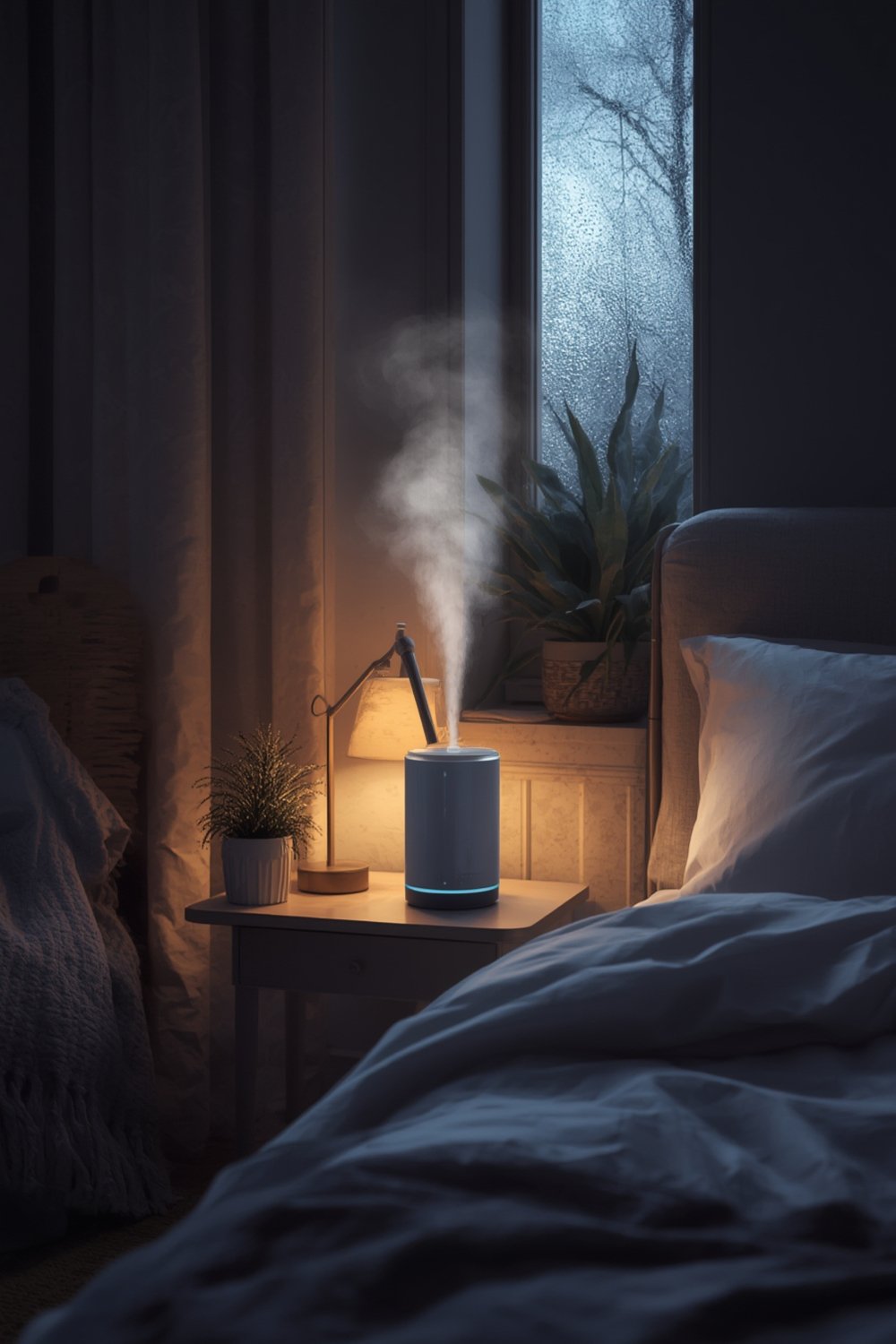
Humidifiers primarily shift the indoor air’s relative humidity (RH). Scientific guidelines call for RH between 30 and 50 percent for both comfort and health. Air that’s too dry (under 30 percent) increases risks for dry skin, scratchy throats, and snoring because it allows moisture to evaporate from airways and skin. But too much humidity can have paradoxical effects.
Recent findings show a small decline in sleep efficiency for every one percent RH increase, with people in the most humid bedrooms rating their sleep quality and alertness slightly worse. Despite this, people almost always report comfort benefits when managing dry indoor air, especially during cold, dry heating seasons.
- Maintain 30–50% RH in bedrooms (source)
- Every 1% RH rise may reduce sleep quality by 0.1% objectively, but low humidity feels more uncomfortable subjectively (source)
Types of cool-mist humidifiers (ultrasonic vs. others) — what to consider for night use
Shopping for a cool mist humidifier? Major types include ultrasonic (vibrates water to mist), evaporative (uses a wick and fan), and less common impeller models. No 2024 research reviews objectively compare ultrasonic to other cool mist models for sleep, so this summary draws from product specs and hands-on testing:
- Ultrasonic humidifier: Nearly silent operation (as low as 23–34 dB), energy-efficient, compact. Produces cool, visible mist. Downsides: can create “white dust” from minerals in tap water; requires frequent cleaning to avoid bacteria buildup.
- Evaporative (wick/fan): Naturally self-limiting (less risk of overhumidifying), rarely makes white dust, but typically runs louder due to the fan (35–48 dB) unless specified “night mode.” Filters need monthly or more frequent replacing.
- Impeller: Rare, uses a spinning disc to generate mist, generally safe for children but can be noisy and less commonly found for bedrooms.
With no definitive medical data, choose based on specs from trusted manufacturers, published decibel readings, and independent lab or user test results—especially for overnight/bedroom use. Check for filter costs, runtime (overnight tank capacity), and ability to monitor or control humidity instead of only guessing.
Noise and sleep — why ‘quiet humidifier’ specs matter
Noise is a top complaint in real-world reviews, but much of the evidence comes from general sleep studies. Even moderate sound levels at night can reduce sleep efficiency by up to 4.7% among those most exposed, based on population research (source). For a humidifier for bedroom use, look for:
- Night mode with verified decibel (dB) ratings—ideally below 35 dB at the pillow in a quiet room.
- Ultrasonic or fanless models, especially if you are a light sleeper.
- A placement strategy: further from your head, with airflow directed away from the bed but into main room volume.
If the unit doesn’t publish a dB spec for night mode, be cautious: manufacturers use “whisper-quiet” liberally. Double-check real decibel measurements from credible review sites, or choose models rated for nursery or baby use, as those are typically prioritized for silence.
For other noise sources that might overlap with humidifier noise, consider these smart space heater tips for balancing warmth and quiet.
Winter performance and picking the best humidifier for winter
During winter, indoor humidity often drops to 15–30 percent due to heating. A best humidifier for winter is one that can reliably run all night (6–10 hours), maintain steady RH in your bedroom size (100–250 sq ft), and not overshoot the 50 percent maximum. Nonstop running with too small or cheap models leads to either bone-dry or muggy rooms by morning.
- Choose a unit with a tank size that matches 8+ hours runtime for your square footage (manufacturer’s coverage estimates help here).
- Strongly prefer units with an integrated or smart humidistat, which stops adding moisture once target RH is reached.
- Avoid cranking the dial above 50 percent RH. Overhumidification increases risk of mold/dust mites and allergens (source).
Our window insulation kit guide may also help you optimize comfort if your winter air struggles involve drafts or poor sealing.
Practical specs & cost expectations for bedroom humidifiers (what to look for in 2024)
There are no published 2024 cost ranges or universally agreed-on technical specs for high-quality quiet humidifiers in the bedroom. However, real buying decisions can use this checklist:
- Coverage area: Should match your bedroom size (ex: 100–250 sq ft—check the product box).
- Tank size & runtime: At least 1–2.5 liters for overnight (6–10 hr) operation, with easy-fill wide openings.
- Decibel level: Published 23–35 dB in night mode is ideal, under 40 dB at maximum.
- Humidistat: Integrated and accurate for reliable humidity control.
- Filter or filterless: Each has pros and cons. Filterless (usually ultrasonic) needs regular cleaning to prevent bacteria and mineral dust. Filter models require cartridge changes but limit dust.
- Cleaning design: Wide tank openings, removable trays, dishwasher-safe parts, and clear instructions.
- Warranty: 1+ year parts & labor. Good after-sale support.
If details like dB rating or tank design aren’t provided, look for independent reviews or lab test videos. For broader home upgrades, see our best home gadgets guide.
Cleaning, maintenance, and preventing mold/bacteria — best practices to include
Humidifier cleaning is not optional. With no medical research prescribing a set routine, the best practice is what allergy/asthma groups and major manufacturers recommend:
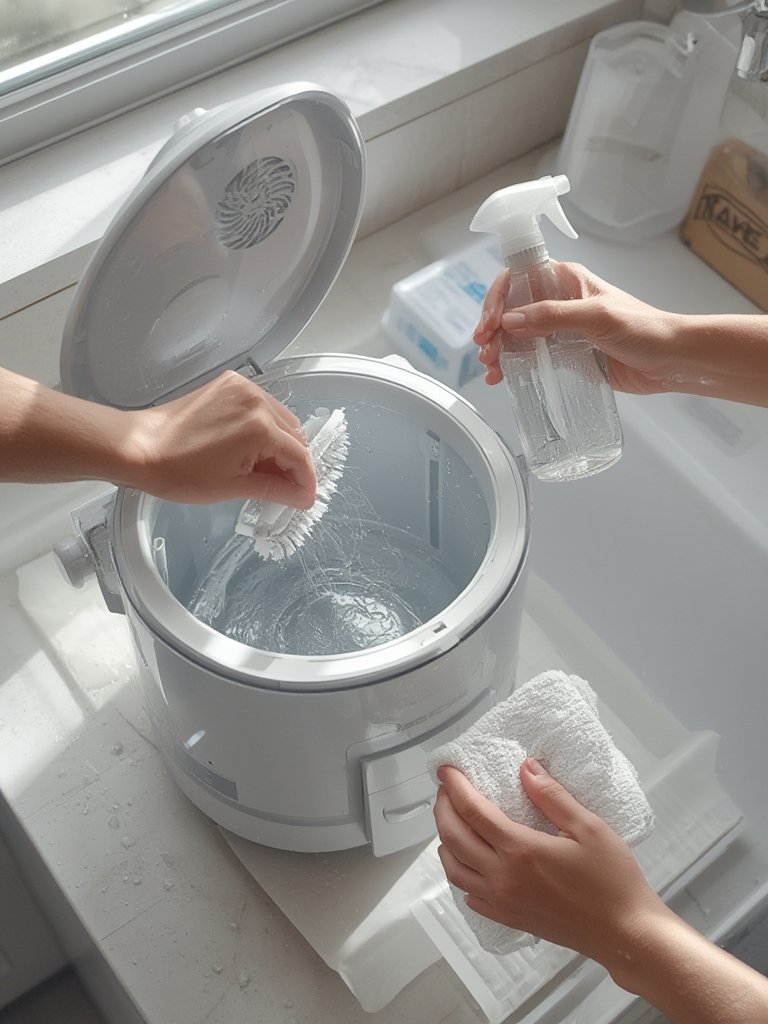
- Daily: Empty and air dry the tank and base. Refill with fresh distilled or filtered water to avoid mineral dust.
- Weekly: Clean all components with mild soap or white vinegar. Rinse and wipe all interior surfaces. For ultrasonic humidifier models, inspect mist outlets for buildup.
- Monthly: Deep clean with a disinfectant approved for humidifiers (such as diluted hydrogen peroxide) and check for visible mold or slime.
- Design features that help: Wide removable tanks, detachable mist nozzles, antimicrobial plastic or coatings where available, and simple interior lines with minimal corners and seams.
Don’t overhumidify: when room RH stays above 50 percent, you risk dust mites and mold that can worsen allergies or asthma. For deeper air-quality worry, pair your humidifier setup with a home mold test kit or an air quality monitor.
Common pain points (from shoppers) and how to solve them
Most real-world owner frustrations fit three themes: “too noisy for sleep,” “pain to clean,” and “not seeing effects in winter.” Here are practical ways to address each:
- Noise: Even “quiet” humidifiers can be annoyingly loud. Check night mode dB ratings. If the unit gurgles, place it on a towel or foam pad to dampen vibration and sound. Run it on low or medium, not high, at night.
- Difficulty cleaning: Avoid units with narrow, permanently sealed tanks. Prefer models with detachable lids and wide openings. Keep cleaning tools (soft brush, bottle brush) on hand. Schedule a weekly 10-minute deep clean.
- Winter effectiveness: Too small a humidifier won’t budge RH in cold climates. Pair with a hygrometer, seal windows and doors, and avoid using hot tap water. Consider a second unit for unusually large rooms.
For broader home problems, see these smart gadgets that fix recurring comfort issues.
Three essential sub-topics competitors often overlook
In reviewing top-ranking competitor advice, three areas are often skipped but frequently affect user experience and satisfaction:
- Subjective vs. objective outcomes: Even top humidifier for bedroom models may only improve how you feel about your sleep, not your measured sleep efficiency.
- Exact humidity targeting: Many humidifiers lack precise controls, letting RH jump erratically above 50 percent. Use a stand-alone digital hygrometer to calibrate and monitor RH accurately.
- RH interaction with air quality: Raising humidity does not reduce small particulates or CO2, and sometimes can raise allergen risk. Combine humidity management with good ventilation and consider an air purifier for PM2.5 if allergies or pollution are a concern.
How humidifiers affect indoor air quality metrics — realistic outcomes
Bedroom humidifiers increase RH but don’t clean or filter the air. They do not remove PM2.5 (fine particle pollution), dust, CO2, or volatile chemicals. The primary changes are:
- Higher moisture content (30–50 percent RH increases comfort).
- Possible increase in white dust (from minerals) or allergen risk if RH goes above 50 percent.
- No effect on actual air pollution or stuffiness.
Track RH with a clear display or a separate hygrometer. For a complete indoor air quality strategy, pair humidifiers with:
- Air purifiers (for allergy or smoke)
- CO2/PM2.5 sensor (see how air quality monitors work)
User action plan — how to pick, set up, and run a bedroom humidifier for better sleep and less dry skin
Here is a clear, step-by-step plan to improve comfort and avoid common pitfalls with your next humidifier for bedroom:
- Estimate your bedroom size (in square feet). Confirm the humidifier you shortlist is rated for this or slightly larger space.
- Review decibel specs. Pick a model with a published night mode dB of 35 or below or choose an ultrasonic humidifier known for low noise.
- Set up at least 3 feet from your bed and at the same height as your mattress. Avoid direct mist blowing at head or walls.
- Use distilled or filtered water to limit mineral dust and cleaning workload.
- Target 40–45 percent RH. Monitor with a hygrometer. Shut off or reduce output if condensation forms on windows or surfaces.
- Empty and air dry the tank each morning. Wipe visible surfaces weekly, and deep clean components every month.
- After winter, store clean and completely dry. Remove batteries/filters and dry all parts.
For more tips on avoiding winter indoor comfort issues, check our thermal curtains guide and pipe insulation tips.
Quick buying checklist & model vetting template (one-page takeaway)
Use this buying checklist to compare any humidifier for bedroom side-by-side:
- Room Coverage: Matches your square footage (100–250 sq ft typical)
- Tank/Runtime: Enough water for 8+ hours at medium output; easy to fill and clean
- Decibel Level: ≤35 dB in night mode; look for manufacturer or lab-verified specs
- Humidistat: Target-humidity control (built-in or compatible external controller)
- Filters: Cost and replacement schedule (filter or filterless is a personal tradeoff)
- Cleaning: Large openings, dishwasher-safe parts, no hidden seams
- Warranty: 1–2 years minimum; easy-to-access service
- Red flags: No dB data, no cleaning instructions, no RH display, complaints about mold or odor
Here is a comparison table of three popular units for bedroom use (data as available):
| Model | Type | Night Mode dB | Tank Size / Runtime | Recommended Room Size | Cleaning Features |
|---|---|---|---|---|---|
| Levoit Classic 200S | Ultrasonic | 28 dB | 4L / 20–40 hrs | Up to 290 sq ft | Wide opening, dishwasher-safe, filterless |
| Honeywell HCM-350 | Evaporative Wick | 36 dB | 3.7L / 24 hrs | Up to 250 sq ft | Removable tank, replaceable filter; not dishwasher safe |
| Pure Enrichment MistAire | Ultrasonic | 30 dB | 1.5L / 16 hrs | 150 sq ft | Wide fill port, easy clean tank, filterless |
Keep this table handy when comparing models. If any unit lacks dB data, cleaning detail, or realistic tank/runtime claims, move along.
Closing — realistic expectations and next steps
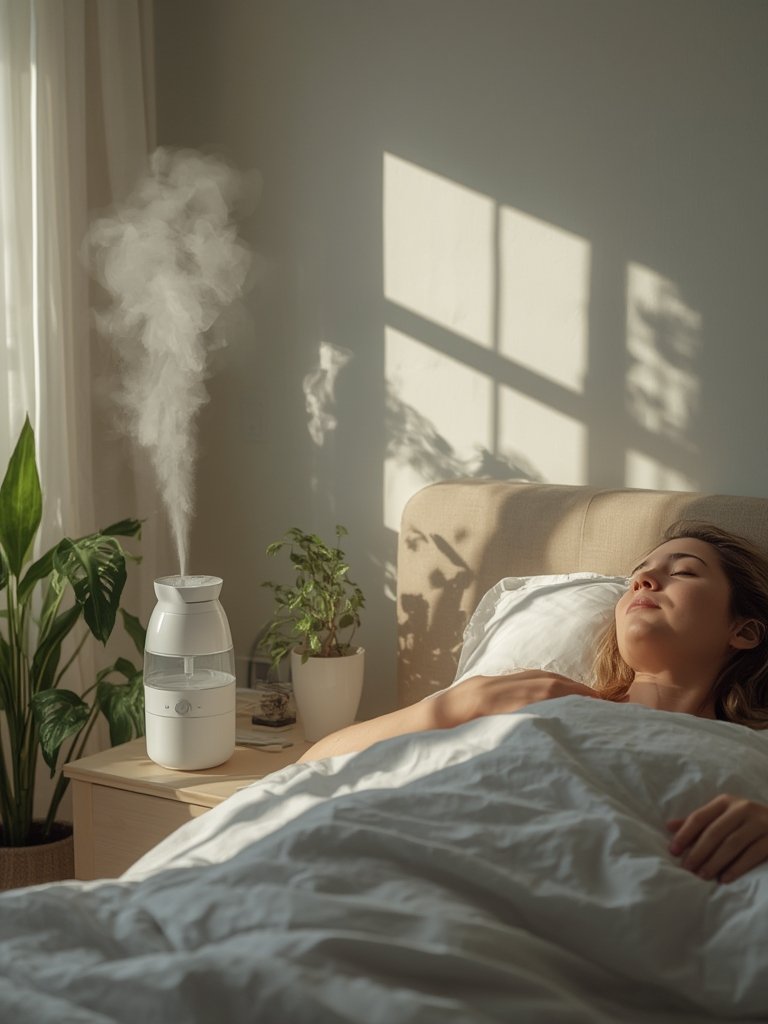
Using a humidifier for bedroom comfort reliably relieves symptoms from low humidity (dry skin, sore throat, and possibly snoring) for most users, as long as you keep RH in the optimal 30–50 percent window and clean your unit regularly. There is no solid scientific evidence from 2024 connecting humidifier use to definitively better sleep quality or skin health, but user comfort usually improves—if you avoid overhumidifying and prioritize quiet, easy-to-clean models. Set realistic expectations and adjust your unit based on trustworthy hygrometer readings, not just “how it feels.” To take the next step, shortlist a few models using the buying checklist, pair with a room RH monitor, and maintain a simple cleaning schedule.
Learn more about effective home comfort and organizational solutions:
- Smart bedroom heaters
- Best practical home gadgets
- Thermal curtains for winter
- DIY window insulation kits
- Preventing winter pipe freeze
Further reading/research:
- Noise and sleep quality commission report
- How humidity impacts sleep
- Humidity, dryness, and winter bed comfort
Always monitor your results with a digital hygrometer. If you do not already own one, consider it your first essential add-on for any humidifier setup.
FAQ
Does a humidifier for bedroom improve sleep quality?
There is no conclusive scientific evidence that a humidifier directly improves sleep quality for everyone. Humidifiers can help relieve dryness, which may reduce snoring and throat irritation, but objective studies show only a small effect. The comfort improvement is mainly subjective.
What is the ideal humidity level for a bedroom?
Most experts and research agree that the best RH range for comfort and health is 30–50 percent. Staying within this window helps limit dry skin and nasal irritation but avoids mold and dust mite growth.
How often should I clean my humidifier?
Empty and air dry the tank daily, do a full wipe-down with soap or vinegar weekly, and deep disinfect every 3–4 weeks. Regular cleaning prevents mold, bacteria, and buildup of mineral dust.
Is there a difference between ultrasonic and evaporative humidifiers for bedrooms?
Yes. Ultrasonic models are usually quieter and create visible cool mist but can produce mineral dust if using hard tap water. Evaporative models are louder due to fans, use replaceable filters, and create less dust. Both types require regular cleaning for healthy operation.
What are warning signs of using a humidifier incorrectly?
Condensation on windows or walls, musty or mold smells, water pooling, or persistent dampness mean humidity is too high. Stop use and dry out the room if these occur. Always aim to keep RH below 50 percent.