Pipe insulation foam is one of the most effective, affordable ways homeowners can prevent catastrophic freeze-related pipe bursts that drive up insurance claims and wallet-draining repairs.
Key Takeaways
- Freezing pipes cause over $25,000 in average insurance claims; strategic use of pipe insulation foam can prevent disaster with a modest investment.
- Prioritizing exposed & high-risk locations in your home is critical, especially basements, crawlspaces, and exterior walls.
- Proper installation and maintenance are crucial; skipping steps or “quick fixes” can lead to failure even with good products.
- Why freeze protection for pipes matters: The scale of the problem
- How to install pipe insulation foam for maximum protection
- Common installation mistakes, pitfalls, and technical considerations
- Conclusion: Don’t gamble with freeze damage: Act now
- FAQs: Pipe Insulation Foam & Frozen Pipe Prevention
Why freeze protection for pipes matters: The scale of the problem
Every winter, frozen pipes wreak havoc in thousands of American homes. In just one recent year, State Farm paid out over $806 million for approximately 32,000 insurance claims related to frozen pipes and water damage, averaging $25,000 per claim. Just one burst pipe can release hundreds of gallons of water every day, rapidly destroying drywall, floors, and cherished belongings. Typical repairs range from $16,000 to $27,000, depending on the carrier and the seriousness of the loss. It’s not just about money: water damage can lead to long-term mold, insurance premium hikes, lost valuables, and even structural repairs.
And the problem is growing. Square One Insurance Services reported a 191% increase in frozen pipe claims in early 2024. Some states, like Georgia, Illinois, and Texas, now lose tens of millions each winter, highlighting how even “mild” or variable climates aren’t immune.
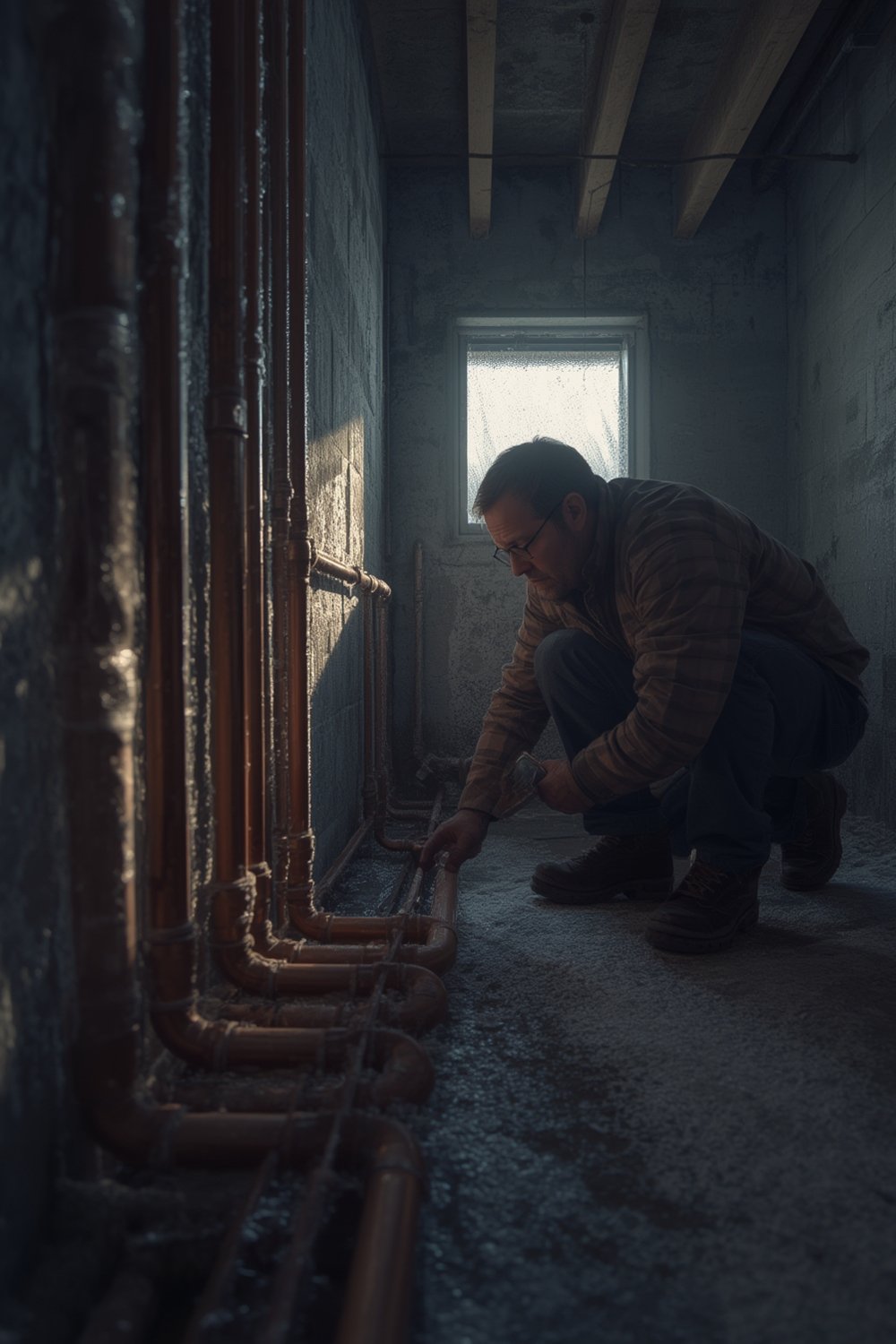
But the good news is this: freeze-related pipe damage is often avoidable. Strategic, targeted investment in pipe insulation foam and pipe insulation sleeves (especially in high-risk zones) can save thousands, lower your stress, and keep your insurance record clean.
How to install pipe insulation foam for maximum protection
Protecting your home isn’t about slapping insulation on every pipe you see. Here’s a focused plan to prevent frozen pipes where it matters most, before severe cold hits:
- Identify all high-risk zones
- Prioritize basements, crawlspaces, unheated garages, exterior walls, sill plates, exposed attic plumbing, and pipes under kitchen/bathroom sinks against exterior walls.
- Inspect for existing damage, signs of past leaks, or older homes that may lack modern insulation.
- Choose the best insulation product for each pipe
- Use pipe insulation foam (closed-cell polyethylene or Elastomeric Rubber Foam) in straight, accessible indoor runs, easy to cut, slip on, and seal with tape.
- Go with pipe insulation sleeves for quick, tool-free installation on exposed lines.
- Use pipe wrap insulation (fiberglass or foil-backed) for odd shapes, tight clusters, elbows, or areas where tubes won’t fit.
- Install insulation: straight runs
- Cut foam sleeves to length with scissors or a razor knife. Always dry-fit before removing adhesive backing or taping.
- Slip the sleeve or tube fully over the pipe. For hot water pipe insulation, confirm the rated temperature (140-180°F commonly supported by quality elastomeric foam).
- Seal seams and joints using appropriate tape or adhesive for your material. Overlap at least 2 inches on each end.
- Tackle elbows, T-joints, and valves
- Cut miters or “notches” in foam to wrap cleanly around corners. Use wrap insulation or two short sleeve pieces for bends and tight spots.
- For valves and unions, use extra wrap insulation to cover gaps.
- Seal and protect exterior pipe insulation
- Wrap exterior foam in UV-resistant tape or weatherproof shell. Standard foam can degrade quickly in sunlight and is vulnerable to squirrels or birds.
- If you install pipe insulation foam outdoors, always “double insulate” with both a sleeve and wrap in high-exposure areas.
- Add heat tape for extreme conditions
- Install electric heat cable under insulation for pipes at extreme risk, such as lines in unheated outbuildings or those historically vulnerable to deep freeze events. Always follow all electrical safety instructions and local code.
- Don’t skip annual checks!
- Each fall, inspect insulation for splits, compression, or gaps. Reseal or replace damaged sections immediately.
- Make sure all seams remain tight, especially after handyman or plumbing work touches the lines.
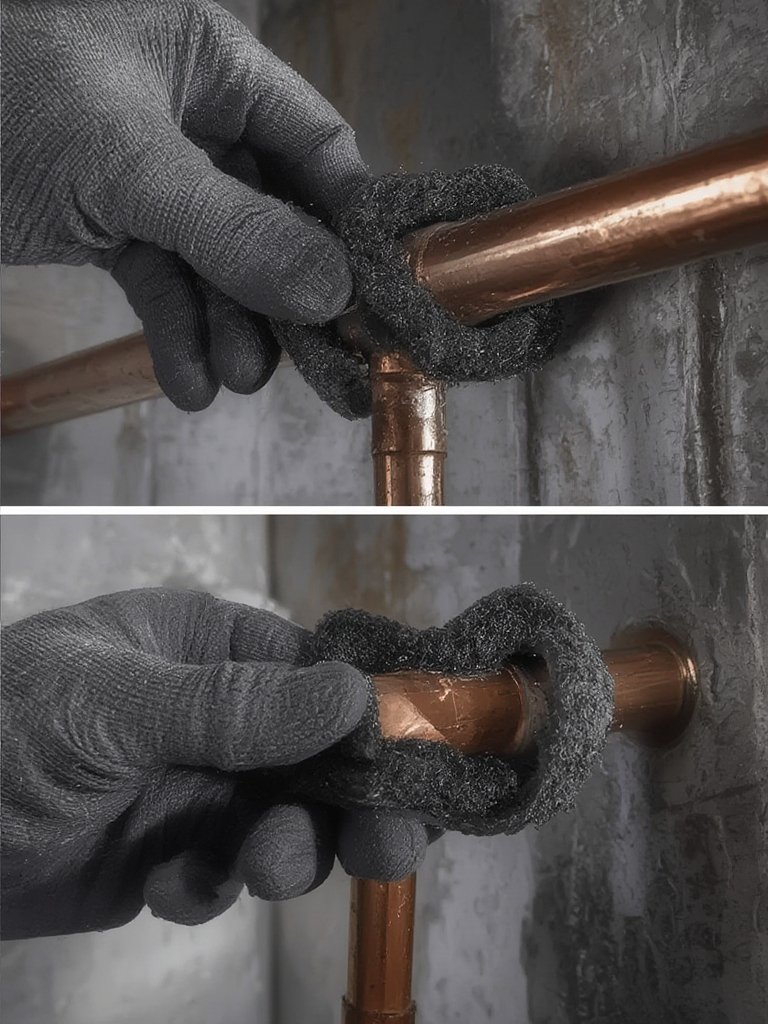
You can find quality foam pipe sleeves or wrap insulation at most hardware stores. Many homeowners complete a basement or crawl in less than half a day for just $50–200 in materials, less than 1% the cost of a typical insurance claim. For an easy shopping/prioritization guide, check out our Home Gadgets Buyer’s Guide and our detailed window insulation kit roundup for wider winterization ideas.
Common installation mistakes, pitfalls, and technical considerations
Many frozen pipe disasters strike even well-meaning homeowners who tried to insulate, because small mistakes or product failures erase all their effort. Here’s what to know before you buy or install:
Frequent DIY and pro mistakes
- Gaps at fittings and valves: Even a 1-inch uninsulated gap can cause freezing. Special care is needed at elbows, unions, and stops.
- Compressed or damaged foam: If insulation is squeezed during install (by tight straps, pipes stacked together, or stored items), its R-value plummets and heat leaks out. Never overtighten zip ties or stack pipes post-insulation.
- Improper sealing: Failing to tape seams, ends, or joints leaves pathways for cold air, especially in basements or attics. Use manufacturer-approved insulation tape, not generic duct tape.
- Poor UV/exterior protection: Standard pipe insulation foam disintegrates in sunlight within a year or less. Always protect exterior lines with a UV jacket or dual-layer wrap.
- Skipping heat tape in high-risk areas: Insulation slows heat loss but doesn’t add heat. Unattended pipes in outbuildings, crawlspaces, or north walls may demand both pipe insulation sleeves and heat tracing cable.
User experience and product pain points
- Durability complaints: Reviewers report that cheap open-cell foam can crumble or slip off in months, especially if handled or brushed.
- Condensation and mold risk: Fiberglass wrap can trap moisture if not paired with a vapor barrier, especially on cold water lines, risking hidden mold.
- Not staying in place: Some insulation sleeves shift after installation, exposing bare pipe unless properly secured at each end with tape or zip ties.
Technical comparison: What to choose for your situation?
If you want peace of mind, picking the best product for your risk zone is key. Here’s a side-by-side snapshot of common types:
| Type | R-Value/Inch | Temp Range (°F) | Moisture/UV Resistance | Lifespan | Best Use |
|---|---|---|---|---|---|
| Polyethylene Foam Sleeve | R-2 to R-3 | -200 to 200 | Fair/Weak (UV) | 5–7 years | Indoors, basements |
| Elastomeric Rubber Foam | R-3 to R-4 | -297 to 220 | Good/Moderate (UV) | 10–15 years | Hot water, attics, crawlspaces |
| Fiberglass Wrap (with vapor barrier) | R-2.5 to R-3.5 | -20 to 550 | High (w/barrier) | 10+ years | Irregular, large pipes, exteriors |
Note: Primary research is required. R-values and ratings above are manufacturer averages from leading brands; always check actual product datasheets for the latest specs and third-party test results. If you want up-to-the-minute cost breakdowns or lab-tested effectiveness numbers, see the links in the endnotes or contact a qualified pro.
Cost-benefit & ROI: Does spending here actually save you money?
- DIY foam insulation on accessible basement runs: $40–$125 in materials, 1–2 hours. If it prevents even one $5,000 deductible claim, ROI is instant.
- Pro-installed full system (including heat tape): $400–$1,000+ for complex or hard-to-reach areas, especially outside. Still, less than 5% of the average water damage loss.
- Insulating hot water supply lines: An additional $20–$50 in materials saves $30–$60/year in energy loss, plus reduced freeze risk.
Remember: Most insurance will only pay if you take “reasonable steps” like insulating pipes and keeping the house heated. If you leave pipes exposed and suffer avoidable damage, you could face coverage headaches.
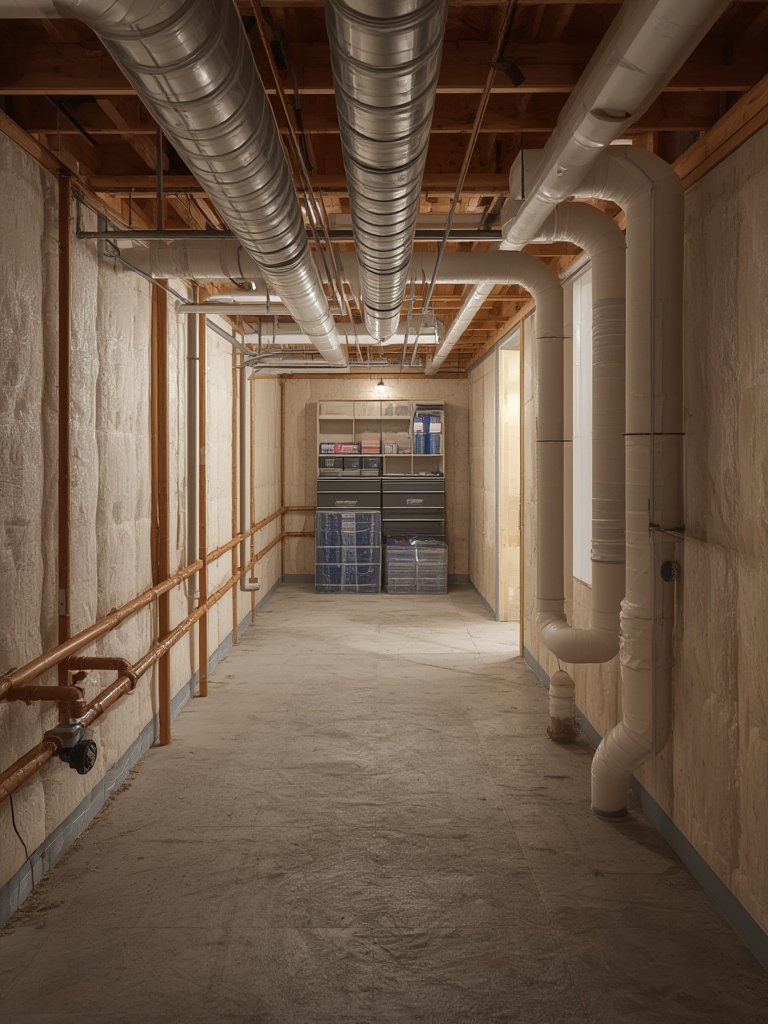
If you ever struggle with persistent cold drafts, combine pipe insulation upgrades with door weather stripping or window insulation kits for a complete freeze defense. And, if smart gadgets are your thing, explore devices in our guide to home problem-solving gadgets or add leak detection sensors to catch problems early.
Conclusion: Don’t gamble with freeze damage. Act now
A burst pipe can ruin your week and your bank account. But a weekend prepping your home with quality pipe insulation foam, sleeves, and wrap can prevent more than $25,000 in average claim costs, endless headaches, and months of repairs. Use the checklists above to buy, prioritize, and install insulation where it pays off most, or call an experienced pro for difficult or high-stakes projects. Either way, don’t leave this on your “later” list.
Ready to act? Walk your home today, make a high-priority insulation shopping list, and tackle a few pipes this weekend. For more tips on winterizing your home, compare the top home gadgets for everyday problems. When in doubt about complex outside lines or frozen pipe risk, call a licensed plumber before the next cold front rolls in.
FAQs: Pipe Insulation Foam & Frozen Pipe Prevention
Does pipe insulation foam guarantee my pipes won’t freeze?
No insulation can guarantee freeze protection in every situation, especially in unheated or severely exposed areas. Pipe insulation foam slows heat loss and can be enough in mild to moderate cold, but heat tape, leak detection, and maintaining indoor temperatures are often required for worst-case conditions. Source
Can I use foam pipe insulation outside?
You can, but bare foam degrades quickly in sunlight and weather. Always cover outdoor sleeves with UV-resistant tape or wrap, and consider two layers. For extreme cold, also add approved heat cable or trace wire where allowed by code.
How do I prioritize which pipes to insulate first?
Start with exposed pipes in basements, crawlspaces, unheated garages, and those against exterior walls or in attics. Any line that froze before, or runs along foundation sills, is a must-insulate pipe. Hidden or inaccessible pipes may require a professional inspection.
How much money and time does typical pipe insulation take?
Most DIYers can insulate 20-40 feet of piping in an afternoon for $50–$200 in materials. Pro installs for hard-to-reach or long exterior runs range from $300–$1,000 or more, but still cost far less than a typical $16,000 to $25,000 claim.
What’s the best product for hot water pipe insulation?
Elastomeric rubber foam offers superior temperature ratings (up to 220°F), high R-values, and better flexibility around corners. Always confirm the product’s temperature limits and moisture resistance before use on hot lines, especially near boilers or water heaters.