Tankless water heater recirculation pump is one of the fastest ways to get hot water to your fixtures without running gallons down the drain. But how much will it really save, how hard is it to set up, and what problems should you expect? This guide breaks down the truth, so you can decide if a recirculation system makes sense for your home, without any sales hype.
Key Takeaways
- Recirculation pumps cut hot water wait times and water waste, but added energy use often offsets water bill savings.
- Compatibility and installation complexity vary widely by tankless water heater brand and existing plumbing setup; never buy before checking.
- New smart recirculation pumps lower noise and energy use, but real-world payback is minimal for many single-family homes.
- What a tankless water heater recirculation pump is, a fast overview, and why it matters
- Step-by-Step Guide: How to Add Recirculation to Your Tankless Setup (or Decide if You Should)
- Advanced Analysis & Common Pitfalls
- Conclusion
- Frequently Asked Questions
What a tankless water heater recirculation pump is, a fast overview, and why it matters
A tankless water heater recirculation pump is a small but powerful device designed to solve the annoying delay and water waste that comes with waiting for hot water at your taps or showers. Unlike homes with recirculation built into a tanked heater’s plumbing loop, tankless systems need a dedicated recirculation pump (and often special controls or valves) to quickly move hot water from the heater back through your pipes and towards fixtures.
Without a recirculation pump, it can take 20 seconds to 2 minutes for distant faucets to get hot, especially in larger homes or two-story layouts. The cold water in the pipes gets dumped down the drain until hot water finally arrives. Recirculation pumps either use a full return loop (usually at the plumbing farthest from the heater) or an under-sink recirculation setup that leverages the cold water line as a return route without repiping your whole house.
According to research, “Recirculation pumps provide instant access to hot water at fixtures throughout the home, eliminating the need to run cold water down the drain while waiting for hot water.” If installed and configured properly, the result is hotter water, faster, with less waste and frustration, especially for busy families and anyone tired of “the wait.”
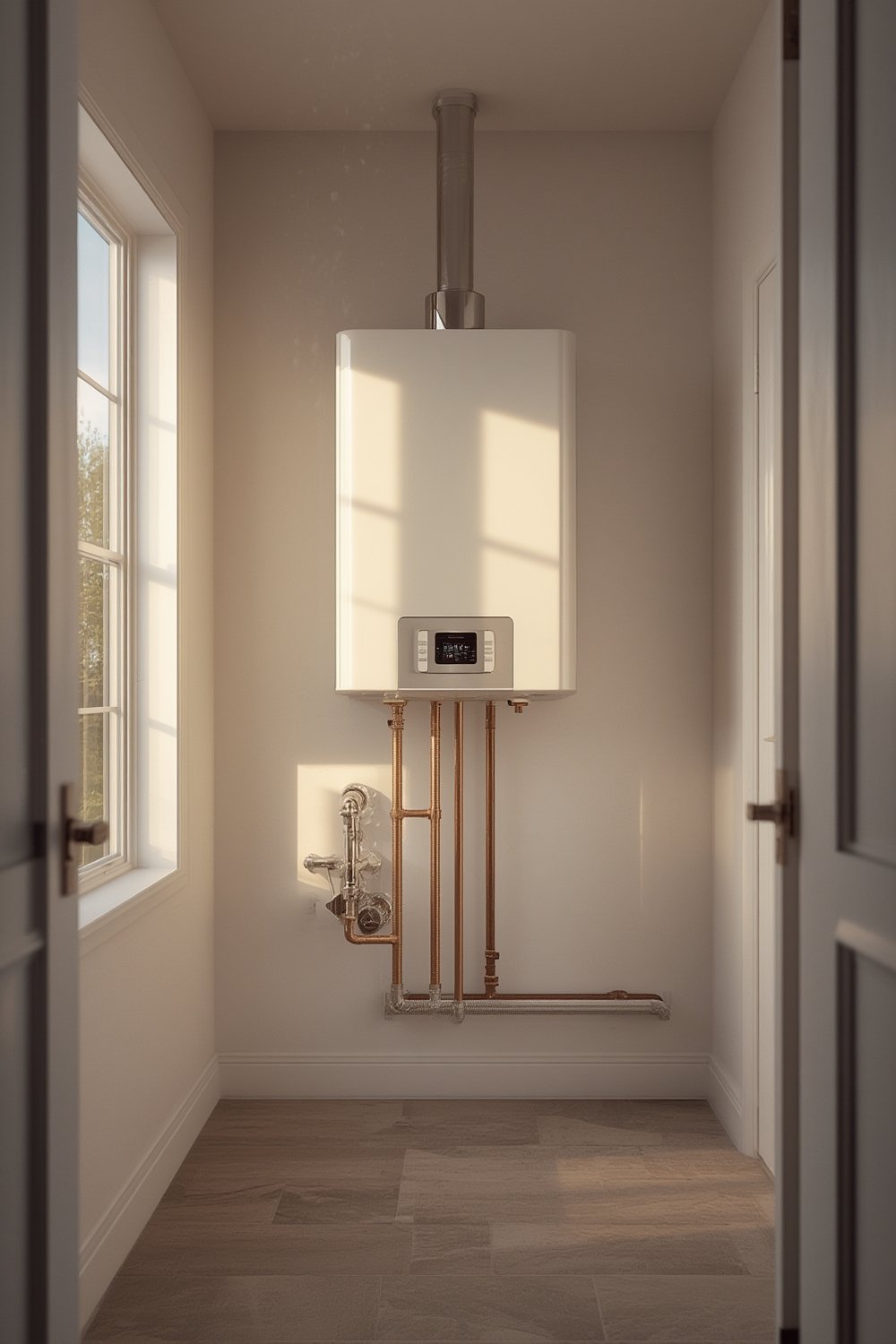
Step-by-Step Guide: How to Add Recirculation to Your Tankless Setup (or Decide if You Should)
- Start with your tankless heater’s specs: Find the exact make and model, note its recirculation compatibility (check manual or manufacturer’s site), and see if it supports built-in pump controls or needs external timers/triggers.
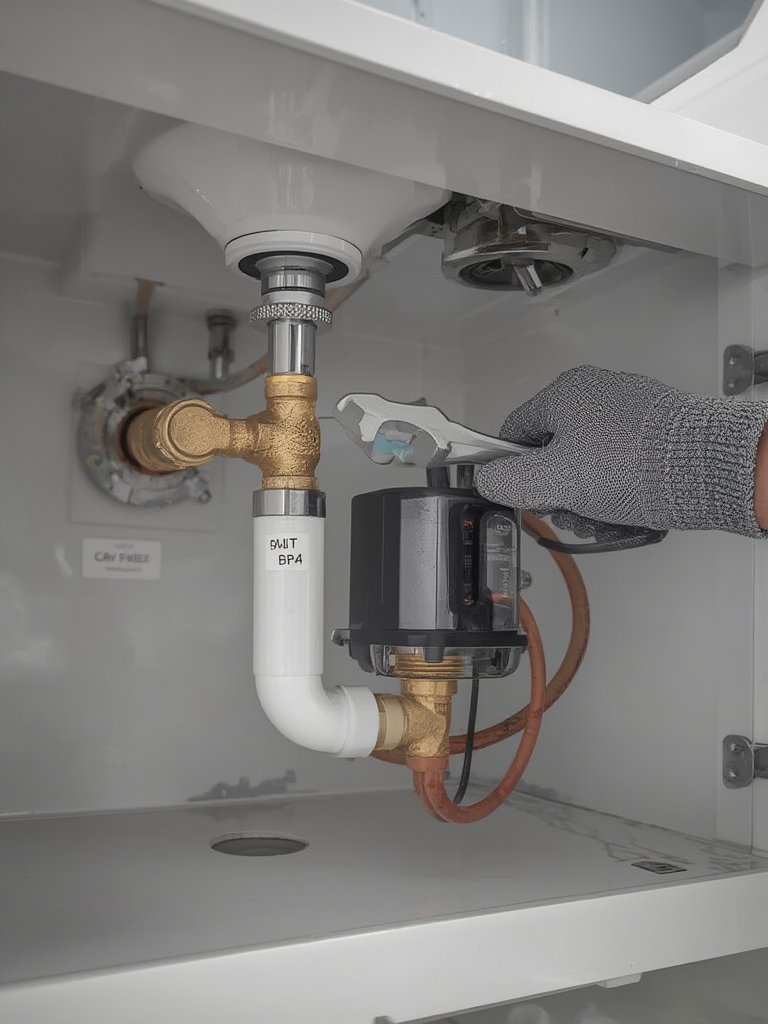
- Identify your plumbing layout: Is there a dedicated hot water return loop? If not, check if a bypass/valve kit (under sink recirculation) is practical; this lets you avoid major repiping but adds slight complexity.
- Weigh under-sink vs. whole-house: Under-sink recirculation is cheaper and simpler (often $200-$400 DIY for parts), while a full loop adds labor and material costs but can serve every fixture instantly. Decide based on coverage needs and budget.
- Select your pump: Choose a hot water recirculation pump matched for your tankless model, flow rate, voltage, and controls. Smart models add app control or self-learning features to reduce runtime (and energy use).
- Check electrical and valve needs: Pumps may need access to a nearby outlet (most are 120V, some are 230V). Bypass valves are required for under-sink kits. Some setups need check valves to prevent reverse flow.
- Install or hire a pro: Even DIYers often hire professionals for plumbing and wiring, budget $350-$800 total for a typical under-sink install, and $1000+ if new return piping is needed. Always get 2-3 quotes.
- Set schedule and test: Use built-in timers, smart controls, or occupancy-triggered switches to minimize pump run time and unnecessary energy use. After installation, time your “cold to hot” wait and compare to pre-installation performance.
- Check out our guide to smart gadgets for common home problems for more upgrade ideas.
- See this home energy monitor review to track your recirculation pump’s real energy impact.
Advanced Analysis & Common Pitfalls
Installing a tankless water heater recirculation pump can be a satisfying upgrade, but it’s not all upside-down. Here’s where homeowners most often run into problems, and the hard numbers on savings vs. frustration:
- Energy Use Offsets Water Savings:
According to a real-world case study, running a typical pump from 5 am to 11 pm saved ~$4.30/month in water, but the electricity for the pump cost about $4/month. The net effect is nearly zero on your bill if you run the pump all day.
- Compatibility Surprises:
Some tankless heaters do not support a recirculation pump out of the box, or restrict operation to “on-demand” only (not 24/7). Bypass valves are not always included. DIYers may finish partway and find they need extra accessories or settings from the manufacturer.
- User Annoyances:
Common complaints include pump humming/vibration, the “cold water sandwich” effect (a short burst of cold after the pump cycle), periodic air locking, and occasional faucet leaks from increased pressure cycles. Noise can be amplified in quiet homes or on overnight schedules.
- Maintenance and Wear:
Pumps need periodic cleaning, may require check valve service, and app-controlled models rely on WiFi reliability. Smart models help avoid constant pump cycling, but not all manufacturers offer this tech on every price tier.
- Inconsistent Savings:
Your real savings depend on household routines. Small families using less water get less payback, especially if they already avoid long waits by timing showers or dishes.
| Recirculation Type | Upfront Cost (Estimate) | Coverage | Energy Impact | Best For |
|---|---|---|---|---|
| Under-sink recirculation | $200 – $600 (plus $150-$400 install) | Limited zones (often 1-2 fixtures) | Very low if on-demand; moderate with timer | Single bathrooms/kitchens, retrofit, budget |
| Whole-house recirculation loop | $600 – $2,000 (plus $600-$2,000 install) | All hot water fixtures | Moderate to high if not set up efficiently | Large homes, new builds/remodels, maximum convenience |
Expect cost and install times to swing widely by home layout and local labor. This pipe insulation foam guide can help if you need to improve delivery speed further. Research is clear that precise annual savings or payback periods are rarely published; instead, use calculators or ask your installer to set up flow/time tests before and after your upgrade.
Recent innovations, like Rinnai’s Smart-Circ Intelligent Recirculation, use learning algorithms to reduce unnecessary cycles. Market analysts put the hot water recirculation pump market at $5.8B globally in 2024 and growing, but features and controls are evolving fast across brands.
If you are seeking ultra-fast results with minimal hassle, look at app-controlled or smart logic pumps, just be ready for premium prices. For everyday utility, most buyers find under-sink recirculation well worth it in their most-used locations, especially paired with other smart home gadgets that deliver actual convenience.

Conclusion
A tankless water heater recirculation pump makes your hot water experience faster and less wasteful, but true savings and reliability depend on your home, your heater model, and proper setup. Advanced smart tech is closing the efficiency gap, yet payback is modest for smaller households. Always verify compatibility, get multiple install quotes, and measure your real-world results.
Want hard numbers on tankless water heater recirculation pump performance for your household? Contact your manufacturer for compatibility charts, ask your pro installer for setup and metering tests, and explore smart home gadgets that solve more everyday water and energy hassles.
Frequently Asked Questions
Will a recirculation pump damage or void my tankless water heater warranty?
Not if installed per manufacturer guidelines. Always check your tankless water heater’s manual or call support first, since some brands require a specific pump model or bypass valve kit to protect your warranty status.
How much money will I actually save each month?
Expect around $4–$5/month in water savings if your routines waste a lot waiting for hot water, but the electricity use for the pump often cancels this out unless you use a smart or on-demand setup.
Is under-sink recirculation as effective as a full-loop system?
For one or two fixtures, under-sink kits deliver instant hot water at that point, but will not serve your whole house. Full-loop recirculation covers every fixture but costs more to install.
Do smart recirculation pumps really save more energy?
Yes, modern models like Rinnai Smart-Circ learn your usage and run only when needed, cutting pump run time and energy use by 30% or more compared to always-on or time-based cycles.
Can I install a recirculation pump myself, or should I hire a professional?
Confident DIYers can handle basic under-sink installs, but for anything else, especially electrical or pipe modifications, a licensed plumber is recommended. Always get at least two quotes.