Under sink water filter systems have surged in popularity as health-conscious homeowners look for reliable ways to improve water taste and reduce dangerous contaminants like PFAS and lead for daily cooking and drinking.
Key Takeaways
- Reverse osmosis (RO) under-sink systems remove at least 94 percent of PFAS and outperform most filters for lead and mixed contaminants, but require specific maintenance and care for lasting results.
- Granular activated carbon (GAC) under-sink filters and pitchers can cut 50 to 90 percent of PFAS when cartridges are new, but effectiveness drops sharply if filters aren’t replaced on time.
- Expect real costs of $500+ for RO or $125 to $273 for GAC under-sink systems, plus regular annual maintenance. Most installation work is realistic for handy DIY homeowners, but skipping steps could undermine filtration or void warranties.
- How effective are under-sink systems at removing PFAS and other priority contaminants?
- Why maintenance changes outcomes, the “real-world” difference between lab and home
- Side-by-side performance: RO vs GAC under-sink vs pitchers (what tests show, and what’s missing)
- Common user pain points: installation, ongoing maintenance, and filter replacement headaches
- Cost rundown, upfront vs ongoing (real 2024 figures and regional considerations)
- DIY RO installation vs professional install, detailed steps, time, and pitfalls
- Taste and TDS: what to expect after filtration and how to test at home
- Filter lifespan, replacement schedule, and a practical maintenance calendar
- What competitors miss, research gaps to highlight, and original reporting opportunities
- Regulatory landscape and recommendations (2023–2024 updates homeowners must know)
- Decision flowchart: Which system to buy for common homeowner profiles
- Testing, verification, and after-purchase actions (how to verify performance at home)
- Quick reference: costs, replacement intervals, and pros/cons table (one-page takeaway)
- FAQs
How effective are under-sink systems at removing PFAS and other priority contaminants?
According to 2024 independent lab tests, under-sink reverse osmosis (RO) systems consistently deliver 94 percent or higher removal of PFAS compounds. These include common variants like PFOA and PFOS, as well as newer, shorter-chain PFAS like GenX and PFDS that are harder to remove. Granular activated carbon (GAC) under-sink systems cut 76 to 90 percent of PFAS when cartridges are fresh, but that success is time-limited. Both types help reduce lead and chlorine levels, but RO remains the best answer for tackling a broad range of contaminants, especially for families with small kids or those in PFAS hot-spot regions. These results are measured against strict NSF/ANSI 53, 401, and 473 standards, though EPA’s latest 2024 maximum contaminant levels are now even tougher.
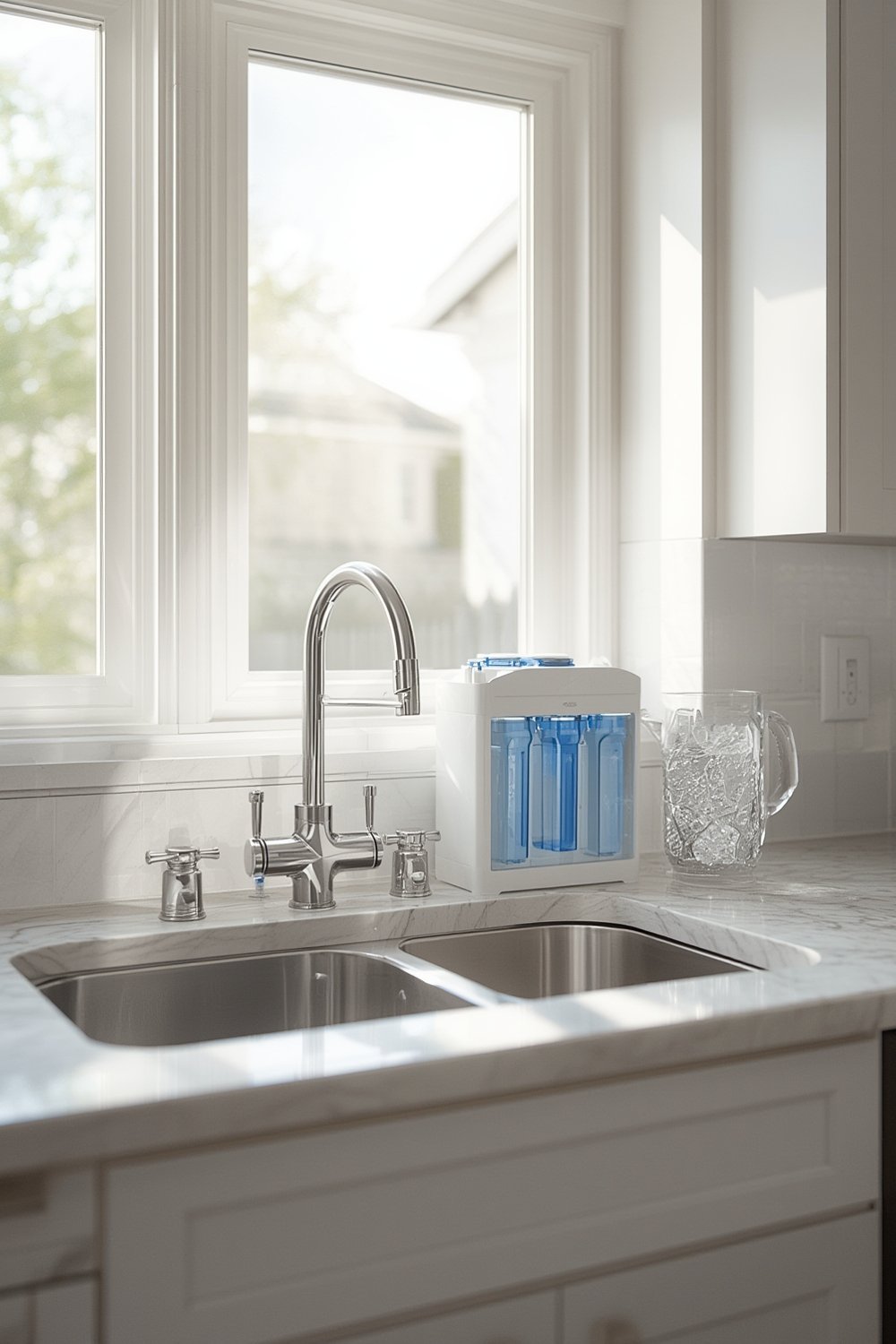
For comparison, water filter pitchers certified under NSF/ANSI 42/53/401 typically remove 50 to 90 percent of PFAS, but don’t match the consistency or performance of RO for short-chain chemicals. Bottom line: RO is the leader for removing PFAS and lead, but GAC and some pitchers can still make a meaningful dent at a lower cost if you commit to a strict filter replacement schedule. For real-world performance, always check that the filter model is NSF/ANSI labeled and keep up with maintenance to avoid contaminant breakthrough.
Why maintenance changes outcomes, the “real-world” difference between lab and home
It’s easy to take comfort in certified lab data, but real-world performance depends entirely on timely filter changes and correct use. All filtration media saturate eventually. For GAC systems, missed replacements mean PFAS and lead eventually push through, sometimes at even higher concentrations than the unfiltered tap. RO systems also decline if you skip pre-filter or membrane changes, risking both taste and chemical breakthrough. Routine is everything. For anyone installing the best under-sink filter, the single biggest step is sticking to the recommended filter replacement schedule.
GAC cartridges need swapping as often as every 3 months in heavy-use or high-contaminant homes, or up to 12 months with lighter municipal water. Skip this, and performance drops sharply. Over time, even slow replacement can allow unexpected “breakthroughs” when cartridges saturate, sometimes without visible signs until taste, odor, or lab testing alerts you. EPA guidance underscores that certified filters only perform when maintained exactly as directed. For RO, most membranes last 2 to 5 years, but neglected pre-filters can clog and cripple both water flow and contaminant removal, forcing earlier membrane failure and increased maintenance costs. The bottom line: during busy seasons or after home repairs, set calendar reminders to avoid risky gaps.
Side-by-side performance: RO vs GAC under-sink vs pitchers (what tests show, and what’s missing)
The absence of large-scale, head-to-head taste or TDS performance tests makes buying trickier if you’re picky about flavor as well as chemical removal. In the available 2024 lab data:
- Reverse osmosis: 94 percent or higher PFAS removal, broadest effectiveness for lead, chlorine, and total dissolved solids (TDS). Most reliable for both long-chain and short-chain PFAS in a mixed profile, even as cartridges near the end of their rated lifespan.
- GAC under-sink systems: 76 to 90 percent PFAS removal initially, effective for chlorine and moderate lead, but results can slide with delayed cartridge replacements. More affordable and faster to swap, but sensitive to “breakthrough.”
- Pitchers: Certified models hit 50 to 90 percent PFAS (per Consumer Reports and NSF/ANSI 401), with variable results for short-chain chemicals and taste. Generally cheaper, but require even more frequent filter changes and offer much less total protection per gallon.
Currently, nobody publishes real side-by-side quantitative taste tests or TDS panels focused on suburban tap water post-filtration. That creates a gap for savvy homeowners to run simple home taste or digital TDS meter comparisons. For the most sensitive children and cooks, you may still want a professional lab to confirm lead or PFAS performance after months of typical use, something almost no pitcher or GAC system user does, but that RO users should consider every few years.
Common user pain points: installation, ongoing maintenance, and filter replacement headaches
Feedback from owner reviews and anecdotal patterns shows a mix of install friction, cost anxiety, and lingering worry about performance decline. Specific real-world complaints include:
- Installation: RO systems are bulkier and more complicated to fit under cramped sinks, sometimes requiring new holes for faucet or drain saddle connections. GAC systems are simpler but can also crowd out needed storage.
- Frequent filter swaps: Countertop and faucet-mount systems demand cartridge changes as often as every 2-6 months. GAC under-sink cartridges require 3-12 month swaps, tracked by sticker date or mobile reminders, but are still often forgotten.
- Performance anxiety: Many users privately wonder if filters are still working, especially as taste fatigue sets in or if water flow drops. It’s easy to get uncertain if you skipped a cartridge change and then read worrying headlines about “breakthrough.”
- Cost and sourcing: Annual filter costs sneak up for both RO and GAC. Availability of compatible certified cartridges and confusion about replacements can slow routine upkeep, especially if the manufacturer leaves the market or changes SKUs.
For more ideas on gadgets that solve home frustrations, you might also enjoy our guide on common home problems and the smart gadgets that fix them.
Cost rundown, upfront vs ongoing (real 2024 figures and regional considerations)
Under-sink RO units now average about $500 for a quality system with typical DIY install parts, not including labor. A 10-year lifespan is realistic with attentive maintenance, and annual upkeep (including all filters and occasional parts) runs $50 to $100. GAC under-sink systems come in lower. Consumer Reports lists best PFAS models (such as the Aquasana Claryum 2-Stage AQ-5200 and Kraus FS-1000) at $125 to $273, with cartridges swapped 3 to 12 months based on use. Pitchers cost less upfront, but yearly filter swaps quickly match or exceed the cheaper under-sink systems.
Labor rates for professional RO system installation vary, but expect $200 to $400 for a plumber, especially if your cabinet space is tight or you need custom faucet holes. There’s little reliable regional price difference for hardware itself, but some rural areas relax labor rates or may lack local certified installers, prompting more people to attempt it themselves.
If you want other examples of practical home spending and long-term gadgets, explore our guide to the best home gadgets for everyday life.
DIY RO installation vs professional install, detailed steps, time, and pitfalls
The typical under-sink RO system installation is a realistic half-day DIY project for most handy homeowners, though seasoned professionals can do it in under 2 hours. Here’s a step-by-step checklist:
- Read the manual. Don’t skip this step, as connection order and pre-flushing differ among models.
- Gather tools. You’ll need an adjustable wrench, Phillips screwdriver, Teflon tape, tubing cutter (or sharp scissors), and a clean bucket. Safety glasses recommended.
- Turn off the supply. Shut off the cold water under the sink. Place a towel and bucket beneath the fittings.
- Install pre-filters. Connect the supplied pre-filter cartridges to the main RO manifold following the manual. Make sure O-rings are seated.
- Mount the system. Secure the filter assembly to the cabinet wall with the included screws if needed. Leave room below for easy filter swaps.
- Tank setup. Screw the tank into its mount (hand-tighten), then connect the tubing to the RO output. Ensure the tank valve is open for flushing.
- Drain saddle installation. Drill a pilot hole if your sink drain isn’t pre-tapped. Attach the drain saddle and check all fasteners.
- Install the RO faucet. Drill a counter hole (if needed), mount the faucet, and connect the output from the RO manifold. Seal and secure all tubing with push-fit connectors.
- Double-check connections. Inspect each joint for leaks.
- Flush the system. Open the valve, and allow water to run through for at least 5-10 minutes (or per manufacturer). Check for leaks throughout the cycle.
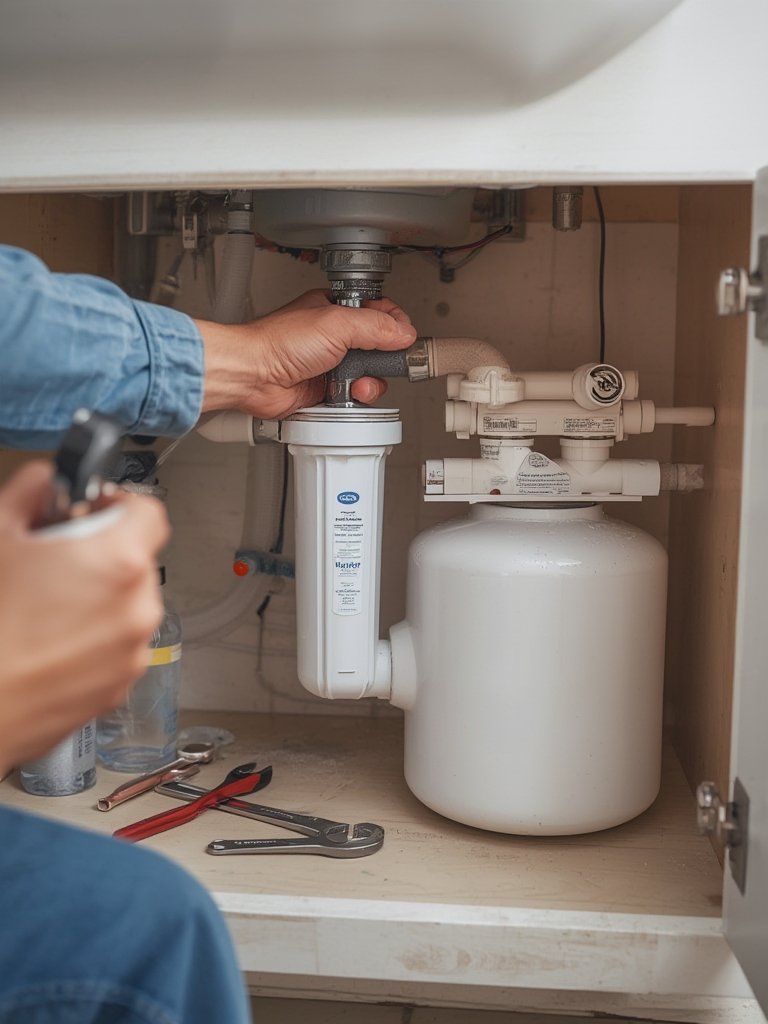
Typical DIY install time is 2 to 4 hours for first-timers, longer if you need to shop for tools or run into stuck valves. Common errors: not flushing filters before first use, misrouting drain lines, cross-threading tank fittings, or under-tightening O-rings (leading to slow leaks). Professional installers handle local plumbing codes, shutoff upgrades, and will guarantee connections, making it worth considering for anyone with nonstandard sink layouts, minimal tool access, or very old plumbing. For those new to DIY home repairs, cross-reference with a smart leak detector like those in our water leak detector guide for added peace of mind after installation.
Whole-house systems are a different beast, usually requiring boosters, large tanks, and often permits; leave these for pros.
Taste and TDS: what to expect after filtration and how to test at home
Reverse osmosis systems noticeably lower Total Dissolved Solids (TDS) compared to GAC or pitcher options, often dropping a suburban tap from 200-300 ppm down to 10-25 ppm. Some people love the crisp, “blank” taste of RO, while others may notice a lack of mineral “body” and add a remineralizing post-filter. GAC filters and pitchers trim off chlorine and some unwanted flavors, but don’t radically shift TDS unless the water was very hard to start with. Everyone’s palate is different, so run a blind taste test with your family before you declare a winner.
No reputable lab or published study has run comprehensive side-by-side taste or TDS panels across filter categories, an opportunity for you to test at home with a $10 digital TDS meter and tap water glasses labeled only by a helper. Record results to decide if RO’s near-zero TDS is worth any subtle tradeoff in taste. Simple kitchen taste panels often reveal more than online reviews.
Filter lifespan, replacement schedule, and a practical maintenance calendar
Filter lifespan depends heavily on water quality, usage, and adherence to a routine. Here’s a practical calendar:
- RO Systems:
- Pre-filters: Every 6-12 months
- RO membrane: Every 2-5 years (monitor TDS and taste for early signs of exhaustion)
- Post-filters: Every 12 months
- Total system: 10-year lifespan is realistic when kept up, with about $100/yr in total maintenance costs
- GAC Under-sink:
- Carbon cartridge: Every 3-12 months (follow manufacturer or earlier if taste/flow changes)
- Countertop/faucet and pitcher:
- Cartridges: Every 2-6 months (or fewer gallons than advertised if water is heavily contaminated)
Warning signs of exhausted filters: Slow flow, return of chlorine/metallic taste, or lab test results that exceed expectations. Set digital or paper reminders on install day, and use a waterproof marker to note your swap date on the canister. For a deeper dive on optimizing kitchen routines, see our kitchen organization guide.
What competitors miss, research gaps to highlight, and original reporting opportunities
Most consumer guides miss several key measurement gaps that actually matter for long-term suburban safety:
- No published data on real-world filter aging or PFAS “rebound” over years of use, especially in higher-volume homes with kids.
- Short-chain PFAS removal consistency is often left unmeasured, even though these chemicals are rising in prevalence due to changing industry use.
- No home-specific data on how water pressure loss affects GAC or RO performance and maintenance cadence.
- Side-by-side taste, lead, and chlorine reduction panels in real home kitchens remain untested.
For DIY types looking to contribute, setting up a home taste panel or tracking TDS/lead lab results over a year could fill these gaps and build confidence in your chosen best under-sink filter. If you’re driven to take on an original test, share your findings with local groups or school science fairs.
Regulatory landscape and recommendations (2023–2024 updates homeowners must know)
The EPA’s new 2024 drinking water standards for PFAS types like PFOA and PFOS are now set at 20 nanograms per liter, a stricter bar than even the latest NSF/ANSI certifications officially claim. The EPA advises all American homeowners in affected areas to seek out certified point-of-use filters (RO, GAC, or IX) with manufacturer-backed maintenance schedules to reliably lower exposure. Certifications remain useful as signposts, but close review of new product claims and checking for updated labels is smart before buying in 2024 and beyond.
For broader energy and home performance upgrades, including insulation advances, see our attic insulation upgrade guide for seasonal tips.
Decision flowchart: Which system to buy for common homeowner profiles
Use this direct scenario checklist to help match your needs with the right solution for an under-sink water filter or reverse osmosis system:
| Home/Water Profile | Best Solution | Quick Reasoning |
|---|---|---|
| Municipal tap, medium PFAS/lead, families with children | Under-sink RO system | Maximum, consistent removal of PFAS, lead, and TDS. Backed by New Hampshire 2024 research post-EPA rules. |
| Municipal tap, tight budget, low-moderate concern | Certified GAC under-sink water filter | Good PFAS and lead cut for a limited cost if you maintain the schedule. Watch for a breakthrough. |
| Shallow well users, mixed VOC/metals, DIY-savvy | RO + sediment pre-filter | Cuts a wide contaminant spectrum (bacteria, metals, PFAS). Requires tank, sediment filter, and possible pro install. |
| Renters, small households, minor PFAS/lead concern | Certified NSF/ANSI 401 pitcher | Cheapest, portable, but less consistent for short-chain PFAS or high-use homes. |
| Hard water, taste/odor sensitive, status unknown | GAC filter or RO with remineralizer | Improves taste and odor; the remineralizer module replaces essential minerals removed by RO. |
There’s no “one-size-fits-all.” Always verify with a local water report and adjust based on the real risk and budget. For other organization fixes, see our cleaning caddy review for stress-free storage ideas.
Testing, verification, and after-purchase actions (how to verify performance at home)
After your install, do not simply trust certification stickers. Test and retest, especially if you live in a PFAS or lead “hot spot.” Here’s a practical guide:
- Baseline: Get a certified lab PFAS/lead test of your tap before installing any filter. Home test kits can help with basic lead or major metals, but lab data is stricter and more actionable.
- After installation: Run water for several minutes, then test a filtered sample. Compare numbers to filter specs.
- Maintenance: Retest every 6 to 12 months, especially just before swapping cartridges or RO membranes. A sudden spike suggests replacement is overdue.
- Interpreting results: If your numbers don’t match product claims, review your install or contact the manufacturer. Always check the latest EPA and NSF/ANSI guidelines to make sure your solution meets new regulations.
The Penn State Extension and EPA both confirm that GAC, IX, and RO systems can deliver strong PFAS reductions only when maintained as the manufacturer directs.
Quick reference: costs, replacement intervals, and pros/cons table (one-page takeaway)
| System | Typical Upfront Cost | Annual Maintenance | Filter Change Interval | Top Pros | Main Cons |
|---|---|---|---|---|---|
| Under-sink RO | $500+ | $50–$100 | Pre: 6–12 mo; Membrane: 2–5 yrs | Best PFAS/lead removal. Consistent quality. Low TDS. 10+ year lifespan. | Complex install. Bulky. Removes minerals. Needs ongoing filter swaps. |
| GAC under sink | $125–$273 | $40–$80 | 3–12 mo | Easy install. Good for chlorine taste. Lower cost. Many models are NSF/ANSI certified. | Less reliable for short-chain PFAS. Sensitive to skipped changes. |
| Pitcher | $30–$60 | $50–$120 | 2–6 mo | Portable. Simple. Good for renters or short-term stays. Some models are NSF/ANSI 401 certified. | Frequent swaps. Less total PFAS/lead. Small capacity. Not for high-risk homes. |

FAQs
Will a reverse osmosis system remove PFAS from my water?
Yes, an under-sink reverse osmosis system removes at least 94 percent of PFAS, including both long- and short-chain chemicals, when maintained as directed.
How often do I need to change filters for the best protection?
RO pre-filters: every 6-12 months, membrane every 2-5 years. GAC cartridges: every 3-12 months. Pitchers and faucet filters: every 2-6 months. Always follow the manufacturer’s filter replacement schedule.
Can I install an RO system myself?
Most handy homeowners can install an under-sink RO system with basic tools in 2-4 hours. Professional help is smart if your plumbing is old, tight, or you want leak and code guarantees.
Does RO waste a lot of water?
RO systems do create some wastewater (1–4 gallons of waste per gallon filtered). This is the price for high contaminant removal. A drain connection is required.
Are pitcher filters enough for PFAS?
Pitchers certified to NSF/ANSI 401 can remove 50 to 90 percent of PFAS but are less reliable for the hardest-to-remove (short-chain) chemicals. Consistent, timely cartridge replacement is critical.