Water hammer arrestor is the crucial device most homeowners need when loud pipe banging starts of nowhere. Not only can water hammer noise keep you up at night, but it can also signal risks to your plumbing that may turn expensive if ignored.
Key Takeaways
- Water hammer arrestors can stop loud pipe hammering caused by fast-closing appliance valves. They are a straightforward DIY fix for many homeowners.
- No official source lists prevalence stats, perfect procedure, brand rankings, or long-term maintenance advice. Transparent info gaps require following best practices and manufacturer guidance for safety.
- If a water hammer fix fails, recurring leaks or high pressures are present, or pipes are hidden/inaccessible, call a licensed plumber to avoid water damage. Water damage repairs average $15,400, compared to ~$175-$450 for professional water hammer repair.
- What is a Water Hammer Arrestor and Why Your Pipes Bang
- Step-by-Step: Diagnosing & Installing a Water Hammer Arrestor
- Advanced Analysis & Common Pitfalls
- Conclusion
- FAQ
What is a Water Hammer Arrestor and Why Your Pipes Bang
Water hammer is the term for the sudden, loud pipe banging sound (the “hammer blow”) when a valve or appliance shuts off water flow quickly. If you hear this near your washing machine, dishwasher, or any fast-acting valve, a water hammer arrestor is usually the right solution. These devices absorb the pressure spike or “shockwave” in your pipes, keeping your system safe and reducing or eliminating noisy vibrations.
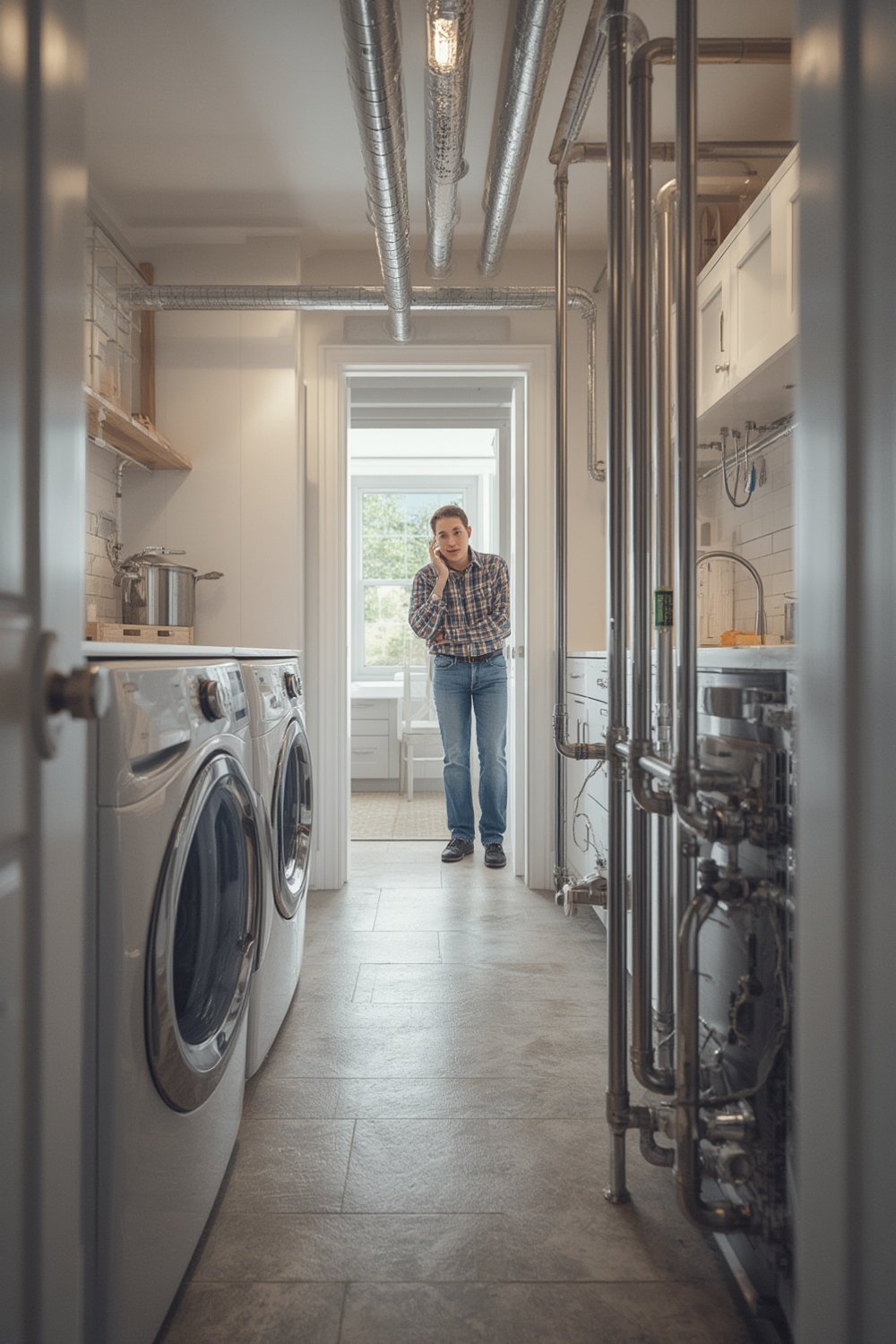
Most often, water hammer noise comes from washing machines or dishwashers, whose solenoid valves close very quickly. If your plumbing is older, unsupported, or operating above 60 PSI, the risk of water hammer rises. General advice and much research strongly support the use of water hammer arrestors in these situations to protect your system. However, no data directly quantifies how many homeowners experience this or points to the best arrestor brands, so you must rely on current best practices and manufacturer recommendations.
Still unsure if what you’re hearing is water hammer or something else? Water hammer is distinctive: it’s a sharp, sudden bang or clunk that usually happens the instant a water-using appliance or valve stops. Expansion noises, by contrast, tend to be subtle crackles or pops that happen as pipes heat or cool, not immediately when water flow halts.
Data gap: No statistics show how many people deal with water hammer, or which arrestors are most reliable long-term. Always default to best practices, read up-to-date arrestor manuals, and check your local plumbing code.
Step-by-Step: Diagnosing & Installing a Water Hammer Arrestor
Follow these steps to identify, fix, and prevent water hammer noise using a water hammer arrestor. This process applies to washing machines, dishwashers, and other home plumbing setups where pipe banging is a concern.
1. Diagnose the Noise and Confirm It’s Water Hammer
- Turn on and off fixtures (especially washing machine/dishwasher) one at a time. Note which valves trigger the pipe banging sound.
- Observe: Does noise occur instantly when a valve or cycle stops? That suggests water hammer. If it happens minutes later, suspect thermal expansion or loose pipes.
- Check frequency: Multiple rapid bangs may signal severe shockwaves or very loose pipes.
- Data gap: No studies confirm what devices most often cause water hammer noise, but washing machines and dishwashers are frequent culprits.
General research agrees: issues often come from fast-acting solenoid valves, high water pressure, and unsupported pipes (source).
2. Try Immediate Fixes Before Installing an Arrestor
- Shut off the affected appliance or valve and listen for noise reduction.
- Secure any visibly loose pipes with clamps or supports.
- If your plumbing includes old-school vertical air chambers (not modern arrestors), shut off water at the main, open faucets at top/bottom levels, and drain the system. This restores air cushioning, but only temporarily.
- Check your water pressure. If it’s above 60 PSI, install or adjust a pressure regulator for a permanent improvement.
- If the pipe banging sound continues, proceed to the arrestor installation.
Fact: Draining air chambers can help, but most modern homes use mechanical arrestors, which don’t require air refilling.
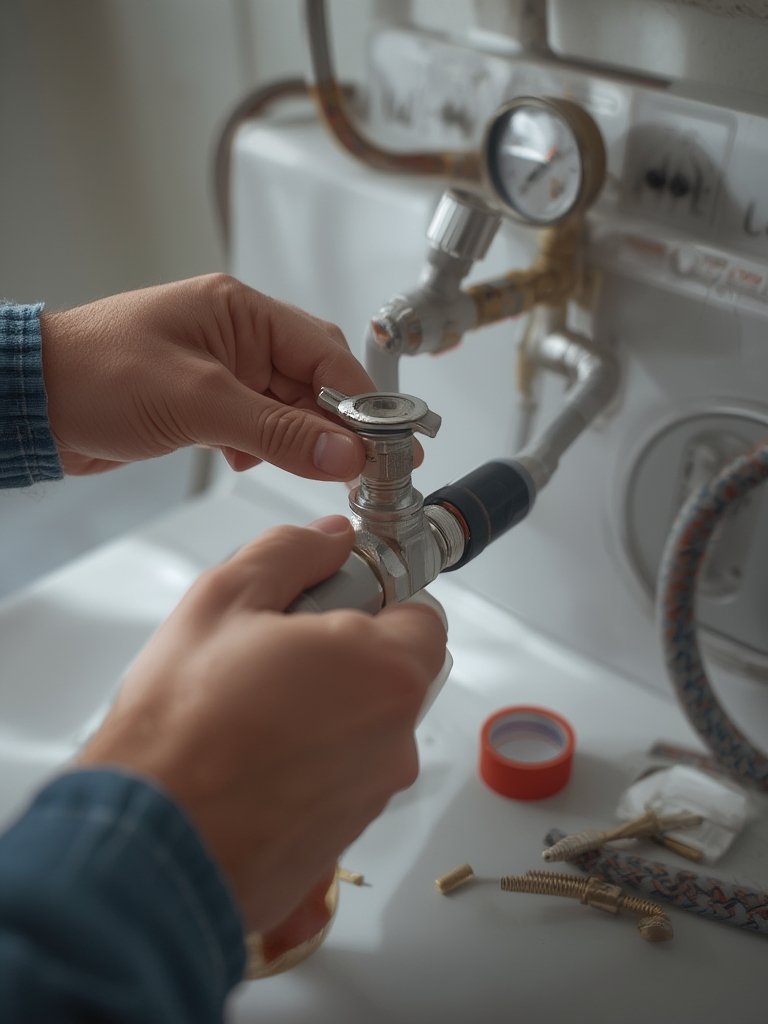
3. Tools & Parts Needed to Install a Water Hammer Arrestor
- Pipe wrench, adjustable wrench
- Teflon tape or thread sealant
- Shutoff valve caps
- Pressure gauge (to check PSI)
- Water hammer arrestor (choose type and size: piston/captive air, connection size usually 1/2″ or 3/4″)
- Adapters if your hose thread differs from common arrestor sizes
Data gap: No publicly available 2024 DIY install spec sheets exist. Follow your arrestor’s manual, and check your local building code.
Price range: Arrestors cost about $12–$30 each. Most homes need one arrestor per problem appliance. Adapters/tools may add $10–$20 per job.
4. Installing the Arrestor: Step-by-Step
- Shut off the water supply to the appliance or the affected fixture.
- Open the appliance or a faucet nearby to depressurize the system.
- If connecting at a threaded valve/hose, unscrew the hose from the valve or appliance. If not, be ready to cut into the pipe (this step is not covered here; call a pro for in-wall installs).
- Wrap threads with Teflon tape or add thread sealant as directed by the arrestor instructions.
- Screw the water hammer arrestor directly onto the valve or pipe, hand-tighten, then a quarter-turn with a wrench. (Do not over-tighten. This is a common source of leaks.)
- Reconnect the appliance hose to the arrestor, tightening the fitting snugly. Support or strap pipes as needed to avoid future vibration.
- Restore water supply. Slowly turn on and check for leaks.
- Run and stop the appliance. Listen for the pipe banging sound. If it’s gone or greatly reduced, the fix worked. If not, double-check installation or repeat on both hot/cold lines.
Note: Exact torque specs are rarely given. Tighten “snug but not forced.” Check visually for leaks and re-tighten if needed.
5. Special Advice for Washing Machine Water Hammer and Dishwasher Water Hammer
- Prefer arrestors that directly screw onto appliance supply valves (typically behind the appliance, at the wall).
- Install on both hot and cold lines for maximum effect. Washing machines in particular can bang on either line depending on the cycle.
- Use flexible hoses labeled for service pressure. Cheap plastic hoses can transmit vibration instead of absorbing it.
- For dishwashers tucked into cabinets: Most have a single supply valve under the sink. Attach the arrestor here for the easiest access.
Professional plumbers often use piston-type arrestors for long-term reliability but see pitfalls below.
Advanced Analysis & Common Pitfalls
Most DIY water hammer fixes work, but users face common technical and practical hurdles. Here’s what to watch for:
- Over-tightening threads. This can crush washers or crack brass, causing leaks that often show up days later.
- Wrong placement of the arrestor. Installing downstream of a valve (toward the appliance) often does nothing. Fit the arrestor upstream, as close to the troublesome valve as possible.
- Failing to secure loose pipes. Arrestors only absorb the pressure wave; they do not stop pipes from rattling if clips are missing or broken.
- Ignoring high house pressure. Arrestors lose effectiveness when pressure is well above 60 PSI. Always test with a gauge and adjust as needed.
- Using air chambers instead of mechanical arrestors. Air chambers need periodic draining and may become ineffective over time. Modern piston or “captive air” arrestors are now standard.
- Not testing for leaks after install, or neglecting retests after a few appliance cycles.
- Data gap: Public sources do not provide brand-specific reliability, user complaints, or long-term arrestor maintenance timelines. Use a checklist: choose a recognizable manufacturer, check warranty terms, look up the latest product reviews, and ask your local plumber for recommendations.
| DIY Install | Professional Repair |
|---|---|
| $15–$50 per device plus basic hand tools Requires some comfort with plumbing connections Limited recourse if defective or leaks recur | $175–$450 typical plumber call & repair Expert assessment Warranty on both parts and labor Ideal for complex systems, inaccessible pipes, or repeated problems |
Note: Actual costs may vary by region, time, and system complexity (source).
If water hammer or pipe banging persists after a careful DIY install, or you encounter persistent leaks, hidden pipework, or suspect high/systemic pressure problems, get a professional on site. Water damage claims now average $15,400; do not gamble if there is doubt (source).
Conclusion
If you hear a sharp pipe banging whenever your appliances stop, a water hammer arrestor is almost always the answer. With some preparation, most confident DIYers can install an arrestor using basic hand tools and reasonable caution. But with substantial research gaps around brand reliability, post-install issues, and formal maintenance schedules, always follow best practices, check product instructions for any water hammer fix, and do not hesitate to call a licensed plumber for anything questionable. Need more help diagnosing plumbing problems? See our guides on home problem solutions, smart water leak detectors, and pipe insulation foam for additional tips. Want to tackle appliance upgrades or energy savings, too? Check our in-depth reviews of home energy monitors and best home gadgets for everyday life.
Ready to stop the banging? Diagnose your system, try the steps above, and install a water hammer arrestor today. If in doubt, play it safe and call a pro.
FAQ
Why do I hear banging pipes in my house when my washing machine starts or stops?
This sound is usually caused by water hammer. The bang occurs because the quick closing action of appliance valves (like washing machines or dishwashers) sends a pressure shockwave through your plumbing.
Where should I install a water hammer arrestor for my dishwasher or washing machine?
Install the arrestor as close as possible to the appliance shutoff valve, ideally between the valve and the hose connection. For washing machines, fit arrestors on both hot and cold supply lines if possible.
What tools do I need to install a water hammer arrestor?
You will need an adjustable wrench, Teflon tape or thread sealant, and possibly adapters for your hose/pipe fitting size. A water pressure gauge helps diagnose if your pressure is in the recommended 40–60 PSI range.
How do I know if a water hammer arrestor is working?
After installation, test the appliance several times. If the banging sound is gone or significantly reduced, your arrestor is doing its job. If noise persists, double-check placement, tighten fittings, and ensure no loose pipes remain.
Do water hammer arrestors wear out or need maintenance?
Manufacturers do not widely share maintenance intervals. Most mechanical types (piston/captive air) work for years, but if water hammer returns, check for leaks, visible corrosion, or appliance changes. Air chamber types must be drained to restore air cushioning if filled with water over time.