### Blog Post:
Window insulation kit solutions are the fastest, lowest-cost way for budget-minded homeowners and renters to slash winter heating bills with minimal hassle. Here’s how to choose and apply the right kit, what you can realistically expect, and which insulation approaches give you the best bang for your buck.
Key Takeaways
- Shrink-film window insulation kits are the most cost-effective short-term fix for reducing heat loss in older, drafty single-pane windows.
- How you install matters as much as what you buy—poorly installed kits let drafts persist and frustrate users.
- For long-term savings, insulating window upgrades like cellular shades or full replacements will outlast kits, but require a much larger upfront investment per window.
- Quick verdict — pick by goal (cut bills now vs long-term upgrade)
- How effective are the options? Kits vs draft stoppers vs thermal curtains/shades
- Cost comparison and cost-per-window math (real examples)
- Technical differences — materials, thickness, R-value, UV and durability
- Common user complaints & failure modes (installation, condensation, durability)
- Installation best practices and condensation mitigation (practical how-to)
- Lifecycle & verification — how long will shrink-film last and are manufacturer claims proven?
- When to choose each solution — decision matrix with scenarios
- Market trends & demand snapshot (2023–2024)
- What competitors miss — 3 critical angles to add (content gap opportunities)
- Actionable buying checklist & top product picks (shortlist)
- FAQ
Quick verdict — pick by goal (cut bills now vs long-term upgrade)
If your goal is to cut heating bills fast with minimal spend, the best window insulation kit is a 3M Window Insulator Kit applied inside for winter. For a temporary fix, shrink-film kits deliver up to 35% heat loss reduction per window (in best single-pane conditions) for roughly $4-$6 per window. Mid-term upgrades like thermal curtains and cellular shades add some real insulation and can save 10–25% on energy, but cost much more upfront. Permanent window replacement is optimal for long-term gains but is outside most renters’ and owners’ “quick fix” budgets. Industry test summaries and retailer/manufacturer claims (2024) report 3M-style kits with up to 35% heat loss reduction on single-pane windows, but higher claims (up to 70%) are unverified.
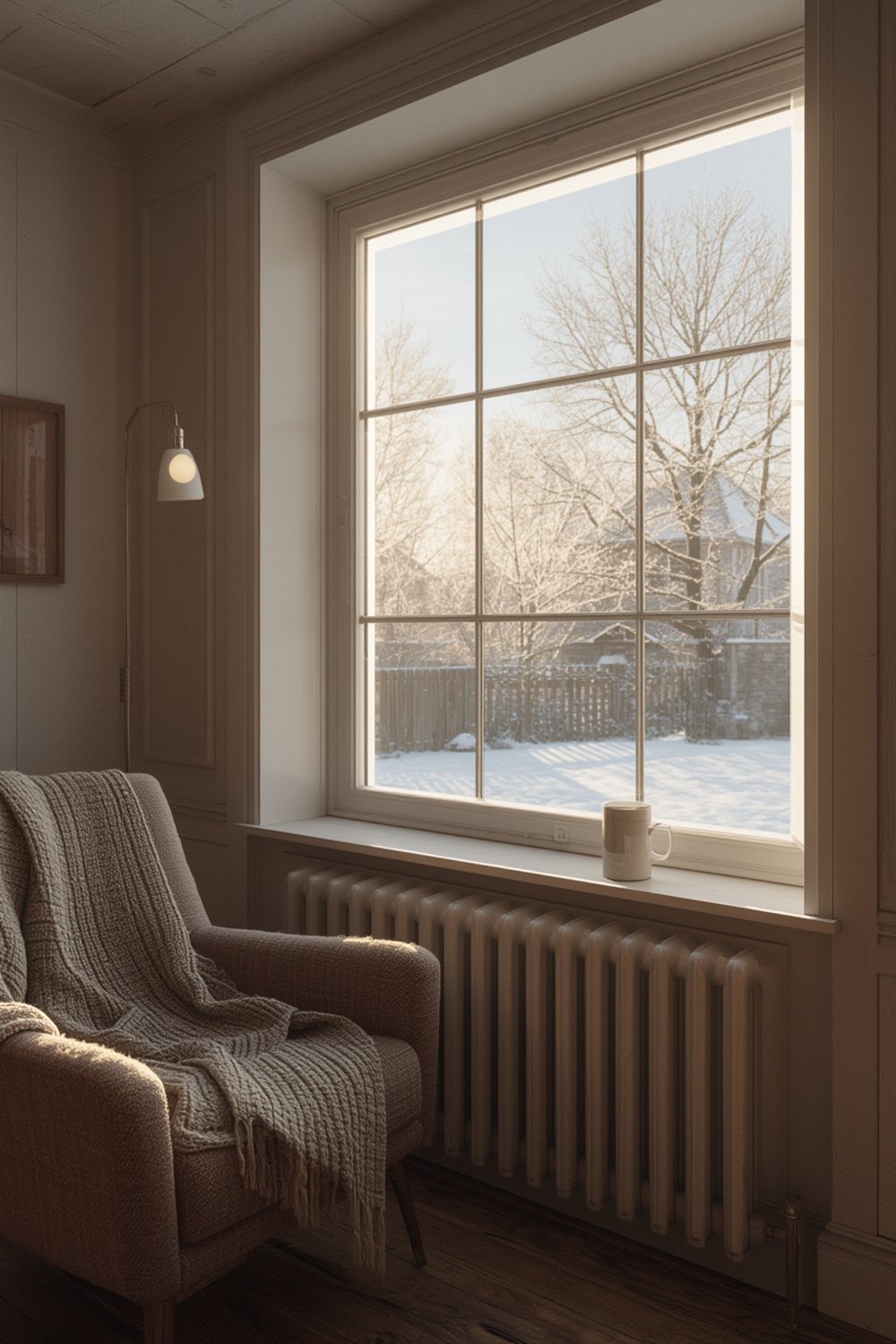
How effective are the options? Kits vs draft stoppers vs thermal curtains/shades
All DIY window insulation solutions fall into two broad types: air-sealing (shrink film, draft stoppers) or added insulation for heat retention (thermal curtains, cellular shades). Shrink-film window insulation kits stop air leaks by sealing the entire window frame, making them most effective on drafty, single-pane glass in older homes or rentals. For windows with major gaps around the frame or sill, a window draft stopper will block some cold air but won’t address leaks through the glass itself.
Measured industry testing and manufacturer claims yield these practical results:
- Shrink-film kits: up to 35% heat loss reduction in best real-world cases for single-pane (3M/Frost King); claims up to 70% are unverified.
- Thermal curtains/drapes: typically 10–25% savings, especially effective overnight.
- Cellular/honeycomb shades: 15–25% energy cost savings; R-values range from 2.5–10.
On modern double-pane windows, the added benefit is much less—often barely noticeable—since the glass is already more efficient. To decide how to insulate windows for winter in your home, focus on where drafts are actually coming from and your window type. Shrink-film excels for leaky, single-pane glass; draft stoppers help with frame leaks only.
Cost comparison and cost-per-window math (real examples)
For most homes, the difference in upfront cost is huge—and that’s what makes the window insulation kit such a smart pick for renters or budget-conscious owners.
| Brand/Product | Coverage | Price (Total) | Cost per Standard Window (3×5 ft) |
|---|---|---|---|
| 3M Insulator Kit | 5 windows | $22 | ~$4.40 |
| Generic 3M-style Kit | Varies | $8-$15/window | $8-$15 |
| Frost King (4-pack) | 4 windows | Not specified (low) | Low (implied) |
| Cellular Shades | 1 window | $75–$300 | $75–$300 |
As a worked example: Ten 3×5-foot windows can be covered with two 3M Insulator Kits for $44. That’s about $4.40 per window for the season, compared to $750–$3000 for cellular shades (which you do own long-term). For a short-term winter boost, window insulation film is unmatched for value.
For more ways to tackle common home comfort frustrations, see our guide on smart gadgets for everyday home issues.
Technical differences — materials, thickness, R-value, UV and durability
Most leading window insulation kits use ultra-thin polyethylene film—about 0.75 mil thick (less than a human hair)—secured with removable double-sided tape. Once applied and shrunk with a hair dryer, the film becomes almost invisible, clear, and taut. But because the film itself is so thin—even the best window insulation kit’s R-value is just 0.85 or below (compared to R=2 for double-pane glass). In other words, the chief benefit is air-sealing, not adding substantial real insulation.
Durability is sufficient for one winter season; tapes generally remove cleanly in spring if walls are sound. UV resistance is not specified by most brands but films do not degrade or become brittle after 3–4 months on a window. Differences between brands—such as 3M and Frost King—are minimal on specs. Film clarity, tape quality, and ease of use are your main selection factors.
Common user complaints & failure modes (installation, condensation, durability)
Even the best plastic window insulation kits get consistent user complaints on:
- Installation waste: applying tape or film unevenly can waste material and frustrate, especially on windy days for outdoor installs.
- Limited repositioning: once the tape sticks, fixing errors is difficult, risking permanent wrinkles or bad corners.
- Draft persistence: if you miss small gaps, you may still feel cold drafts—especially if leaks are at the sash or frame, not the glass.
- Wrinkle aesthetics: poor or rushed installation leads to wrinkling, but many films will shrink out most wrinkles with full heat application.
- Adhesive complaints: tape is generally reliable, but imperfect walls or window frames may reduce hold.
Condensation and mold are not widely reported but may occur if moisture is trapped during sealing or if windows already have pre-existing leaks. Overall, durability is season-long with normal care.
More tips on gadgets that actually fix everyday problems can be found in our article on smart home gadgets that solve problems.
Installation best practices and condensation mitigation (practical how-to)
Getting the most from any window insulation kit is 90% in the prep and install. Here’s a DIY checklist to get top results:
- Work on a clear, dry, calm day—moisture or dust will ruin tape adhesion.
- Clean window glass and frames thoroughly. Let dry fully.
- Measure before cutting: dry-fit film against the window, cut with sharp scissors leaving a small overlap.
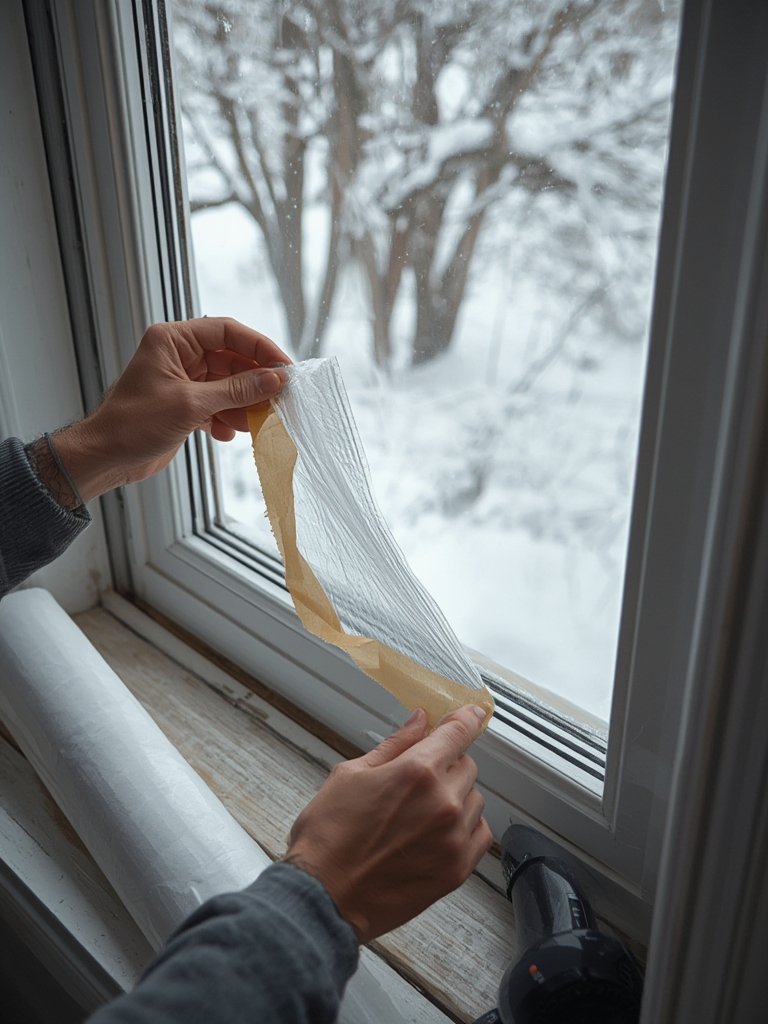
- Apply tape carefully just inside the frame, pressing firmly. Remove the backing strip only as you’re ready to attach film—work one side at a time.
- Press film gently into place, starting at the top and smoothing down, then along sides.
- Use a regular hair dryer to shrink film taut, removing all wrinkles. Don’t overheat one spot—sweep evenly.
- Check all edges for gaps and press tape fully. Use extra strips if needed at corners.
- Vent room as needed to avoid condensation and avoid sealing in any moist air.For very draft-prone frames, a window draft stopper can help pre-seal major airleaks before film application.
To reduce condensation risk, ensure all surfaces are dry before sealing, ventilate occasionally, and avoid installing plastic film over persistently damp windows. Excess moisture is the main reason condensation or mold can become a problem over time.
Practical home gadgets like digital humidity meters (hygrometers) can also help monitor indoor conditions through winter.
Lifecycle & verification — how long will shrink-film last and are manufacturer claims proven?
Shrink-film window insulation kits are designed as a one-winter solution. Kits generally last through seasonal temperature swings and can be removed cleanly, but are not intended for multi-year use.
Manufacturer claims for heat-loss reduction (35–70%) are optimistic; independent verification is limited to single-season comfort and some utility bill reductions, with no long-term case studies available. To check effectiveness at home, do a simple candle or smoke test around window edges before and after installing film, or use a digital thermometer to compare glass temperature drop after install versus a control window.
Don’t expect miracles—if your window is already double-pane and tightly sealed, the improvement may be negligible. But for single-pane, leaky windows, even a basic window insulation kit can provide substantial comfort gains for one season.
When to choose each solution — decision matrix with scenarios
Making the smartest window insulation decision depends on your goals, property status, window type, and tolerance for seasonal setup.
| Scenario | Best Solution | Approx. Cost per Window | Payback |
|---|---|---|---|
| Renter, single-pane window, wants cheap/temporary | Shrink-film window insulation kit | $4–$6 | Immediate — pays for itself in 1 winter |
| Homeowner, single-pane, prepared for small project | Shrink-film kit or cellular shades (if budget allows) | $4–$300 | 1–4 winters for shades, immediate for film |
| Double-pane window, otherwise drafty frame | Window draft stopper + focus on frame | $2–$15 | Depends on severity of drafts |
| Owner, upgrading/renovating for long term | Cellular/honeycomb shades or replacement windows | $75–$900+ | 3+ years, but biggest energy benefit |
| Renter, needs least visible/least damage | Removable shrink-film inside, lightest tape | $4–$6 | Immediate |
Realistically: for most renters or budget-focused owners, a window insulation kit is the quickest win. For lasting value, cellular shades or permanent upgrades will eventually pay off.
Market trends & demand snapshot (2023–2024)
The last two years have seen a spike in DIY interest for window insulation kits, especially among renters and owners of older homes. Higher heating costs drive more people to look for fast, effective solutions. No formal North American market share numbers are available, but 3M and Frost King remain the go-to brands in most top kit tests, as confirmed across major reviews and on Home Depot. This rise reflects a broader trend to low-cost, temporary energy solutions over expensive renovations. For more on useful smart gadgets making homes easier to live in, check this resource.
What competitors miss — 3 critical angles to add (content gap opportunities)
- Real bill or BTU savings, by window type: While competitor guides state broad percentages, they rarely show what it means in actual energy bills for single versus double pane. Readers need context—e.g., a $100 heating bill could drop by $10–$25/month for single-pane use, versus $2–$5 on double-pane. Quantify, don’t just promise.
- Long-term condensation and mold risk details: Most articles gloss over or omit real winter condensation risks behind window films—especially on older wood windows. Regular ventilation and ensuring surfaces are absolutely dry during install are key to avoiding mold/mildew issues in spring.
- Full lifecycle cost vs. permanent upgrades: Kits are cheap up front, but when you add yearly replacement labor and time, plus possible residue removal, some people might prefer the hassle-free longevity of cellular shades, especially if they plan to stay for multiple years. A true cost/benefit breakdown over 3–4 seasons is missing in most competitor pieces.
Actionable buying checklist & top product picks (shortlist)
To choose the best window insulation kit for your needs, prioritize:
- Covers window size: Confirm kit covers your number/size of windows. Many users underestimate—or waste film on first cut.
- High-quality tape: Tape should be wide, sticky, and removable. Inferior tape is the #1 reason for failure or frustration.
- Film thickness and clarity: 0.75 mil is standard. Thicker tends to be visible or cloudy—avoid super-cheap off-brands.
- Removable adhesive: Especially if you rent, stick with trusted brands (3M, Frost King) for easiest residue-free removal.
Top picks:
- Cheapest for renters: Frost King Indoor Kit (4 windows, low price, removable, good tape; Home Depot)
- Best overall value: 3M Window Insulator Kit ($22 for 5 windows, superior tape, great film clarity; Bob Vila top pick)
- Premium/multi-winter: Higher-priced window insulation film rolls or magnetic interior storm kits offer sturdier film (if aesthetics are critical) but usually cost more per window.

For a wider look at useful tools to simplify home life, browse our overview of best home gadgets for everyday life.
FAQ
Will a window insulation kit completely stop drafts?
Properly installed, shrink-film window insulation kits will stop cold air leaking through the glass. If you still feel drafts after installation, the leak is likely coming from the frame, sash, or wall—use a window draft stopper in addition for best results.
How long will a window insulation kit last?
Most kits are designed for one winter season. The film and tape can handle normal temperature swings, and should remove cleanly in spring. For year-round use, consider permanent solutions like interior storm windows or cellular shades.
Will window insulation film cause condensation or mold?
If you install film over a dry window and ventilate occasionally, condensation is rare. Problems only arise if moisture is already present during sealing or if humidity is very high indoors—so dry thoroughly and inspect before sealing.
Are window insulation kits better than thermal curtains or blinds?
For short-term savings and low upfront cost, window insulation kits deliver the best heat-loss reduction per dollar. Curtains and cellular shades add real insulation, especially on double-pane windows, and work for years, but cost far more per window.
How can I check if my insulation kit worked?
After install, run your hand along the window—drafts should be gone. For a quick test, hold a lighter, candle, or incense stick near the edges; flame should stay steady. Thermal imaging guns or digital thermometers can provide more precise measurements of glass temperature reduction.
—